Arab States Block US Military Action Against Iran: A Seismic Shift in Middle East Geopolitics
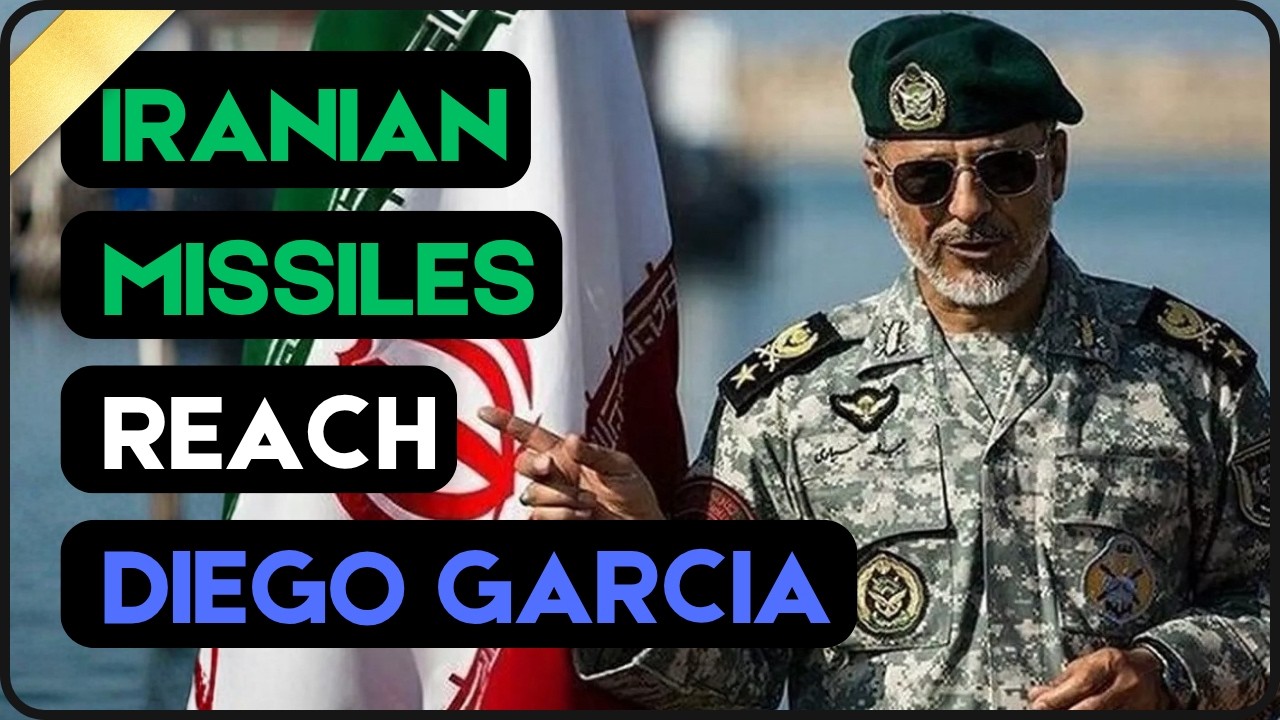
In an unprecedented move that signals a dramatic transformation in Middle East power dynamics, Gulf monarchies including Saudi Arabia, UAE, and Qatar have publicly refused to allow the United States to use their territory for potential military operations against Iran. This represents a historic departure from decades of unwavering alignment with American foreign policy in the region.
The Changing Face of Gulf Geopolitics
For nations whose militaries are almost entirely dependent on US weapons systems and support, this stance would have been unthinkable just a decade ago. Saudi Arabia, with its $1.2 trillion GDP economy—larger than Egypt, Israel, and Qatar combined—is leading this shift toward greater independence and regional autonomy.
Economic Realignment: East vs West
The Kingdom is now selling most of its oil to China rather than the United States, and has even expressed openness to conducting oil sales in yuan instead of dollars. While 80% of global oil trade remains dollar-denominated, Saudi Arabia’s economic diversification away from oil dependency (now 50% of GDP comes from non-oil sectors) is creating unprecedented strategic flexibility.
New Security Partnerships Emerging
Saudi Arabia’s defense agreements with Pakistan and potential partnership expansion with Turkey demonstrate the Kingdom’s pursuit of security alternatives beyond traditional US reliance. This multipolar approach is reshaping regional alliances and challenging American hegemony in the Middle East.
The Peace Coalition
As nations across the region prioritize economic growth and stability over conflict, an unlikely coalition is forming—not necessarily pro-Iran, but decidedly pro-peace. With Iran’s current geopolitical objective focused on regional stability, countries seeking similar outcomes find themselves aligned, regardless of their historical positions.
US Positioning and Regional Response
America’s troop deployment in Jordan highlights the varying degrees of autonomy different regional players possess. While Jordan remains more constrained in its ability to resist US pressure, the Gulf monarchies are demonstrating newfound assertiveness in charting their own course.
This analysis explores how American withdrawal from the region, combined with Gulf economic diversification and alternative security partnerships, is fundamentally altering the Middle East power structure. The message from regional powers is clear: the era of unquestioned alignment with US military strategy is over.
Understanding the New Middle East Order
As blessed are the peacemakers, we witness nations choosing prosperity over perpetual conflict. Whether this represents a permanent shift or temporary alignment of interests, the implications for global geopolitics, energy markets, and international security are profound.