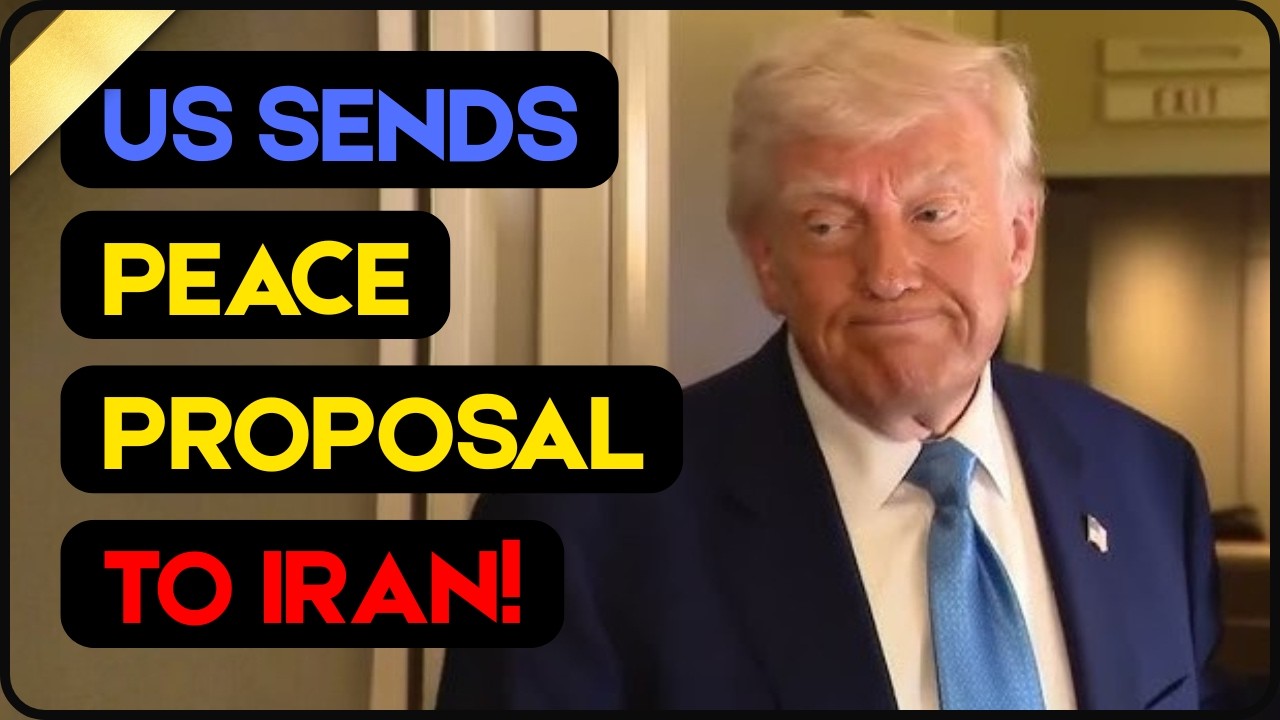
US President Donald Trump has demanded the unconditional surrender of the Islamic Republic of Iran, doubling down on a maximalist position as explosions rock Tehran and multiple Iranian sites on day 7 of the US-Israel war with Iran. With tensions escalating across the Middle East, Iran’s leadership is responding with defiance rather than defeat.
Iran’s parliamentary speaker Mohammad Bagher Ghalibaf rejected Trump’s ultimatum, declaring that the future of Iran will be decided by the Iranian nation itself, not foreign powers. His remarks reflect Tehran’s attempt to frame the conflict as a struggle of national resilience and sovereignty rather than a collapsing regime.
But geopolitically speaking, unconditional surrender is extremely rare—and historically it only happens after overwhelming, decisive events. Nazi Germany surrendered when Soviet forces reached Berlin. Japan surrendered after the atomic bombings of Hiroshima and Nagasaki and the Soviet invasion. In modern warfare, aerial bombardment alone almost never forces a large nation-state to surrender completely.
Iran is not a small territory that can easily be blockaded or bombed into submission. It is a large regional power with deep strategic depth, significant military infrastructure, and ideological commitment to resisting foreign pressure.
If unconditional surrender were somehow imposed, it could mean sweeping political restructuring in Iran—potentially installing a new government aligned with Western interests or even restoring the Pahlavi monarchy. However, such outcomes remain highly unlikely given the scale, complexity, and national identity of Iran.
More realistically, analysts expect scenarios where the US declares mission success after major strategic strikes, possibly targeting leadership or military capabilities, before stepping back from deeper escalation. That could leave regional powers—and especially Israel—facing the long-term consequences of the conflict.
If the United States disengages while tensions remain unresolved, the Middle East could enter a dangerous new geopolitical phase, with Iran and Israel locked into prolonged confrontation.
In this video, we break down:
• Trump’s demand for Iran’s unconditional surrender
• Iran’s defiant response and strategic messaging
• Historical examples of unconditional surrender in war
• Why forcing Iran to surrender is geopolitically unlikely
• Possible outcomes of the US-Israel war with Iran
• What this conflict means for the future of the Middle East