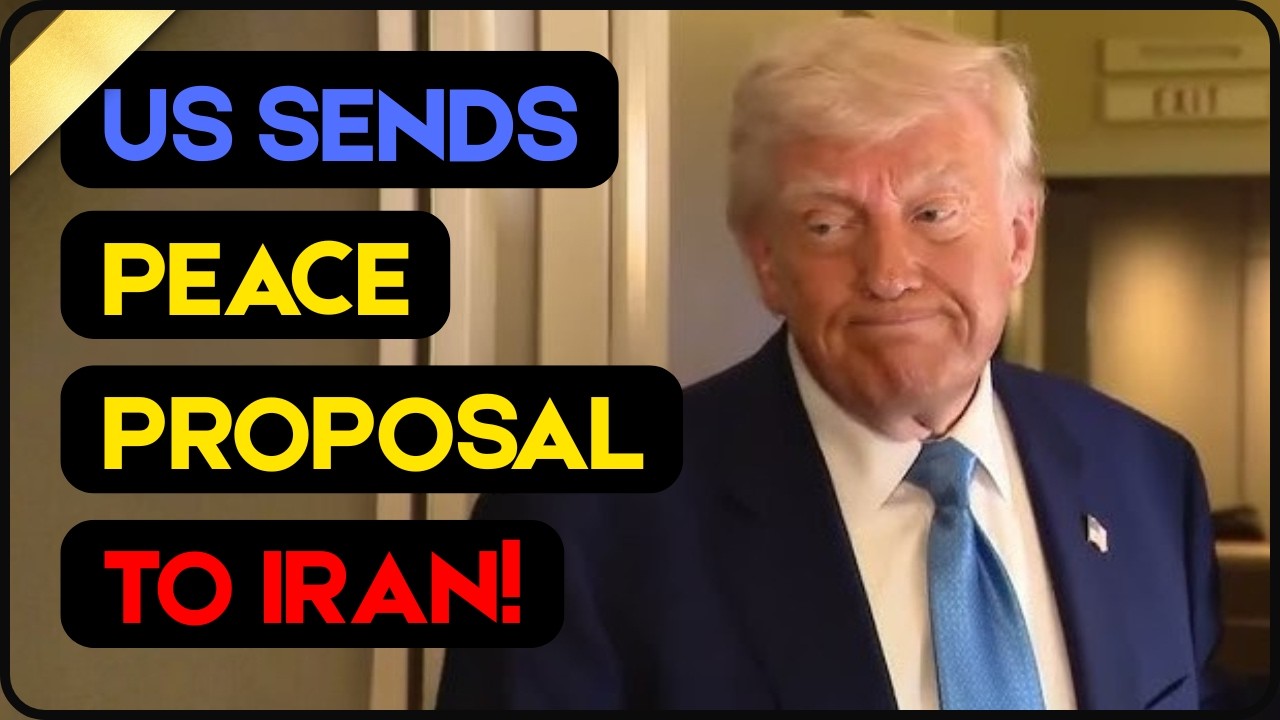
In this breaking geopolitics update, we examine the reported rise of Ayatollah Mojtaba Khamenei as Iran’s new Supreme Leader following the death of his father after 37 years in power. As US and Israeli airstrikes continue to bombard Iran, the leadership transition comes at one of the most dangerous moments in Middle East history.
What does Mojtaba Khamenei’s leadership mean for the future of Iran? Many analysts describe him as a hardliner, suggesting Tehran will continue its uncompromising stance against the United States and Israel. With Iran’s political establishment, the Revolutionary Guard, and the regular military reportedly unified behind him, the country appears determined to resist foreign pressure during wartime.
Meanwhile, Washington has demanded Iran’s unconditional surrender, raising major questions about regime change, nation-building, and the possibility of the largest multi-state conflict in the Middle East since World War II. Could the US and Israel attempt to eliminate the new leader as well? And how might Iran respond after losing its longtime supreme leader?
We also explore the wider geopolitical implications:
• The missile and drone attacks on Israel
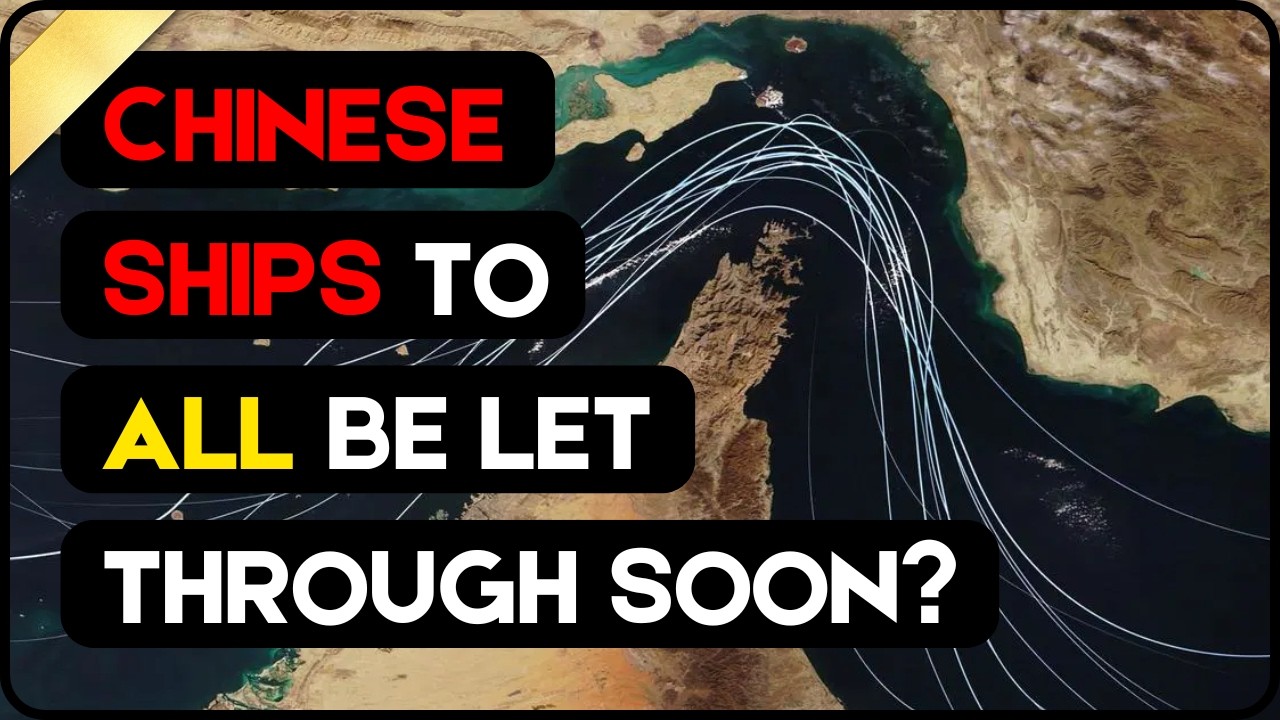
• The strategic importance of the Strait of Hormuz and Bab el-Mandeb
• The roles of Turkey, Egypt, and the Gulf states
• Whether energy markets and global oil supplies are about to be disrupted
As the conflict enters a new phase, the balance of power in the Middle East could shift dramatically. Tomorrow we’ll also analyze the bombardment of Haifa, US military funding for Israel, and whether regional powers like the Houthis in Yemen could escalate the situation further.
Stay tuned for deep geopolitical analysis and breaking international news.