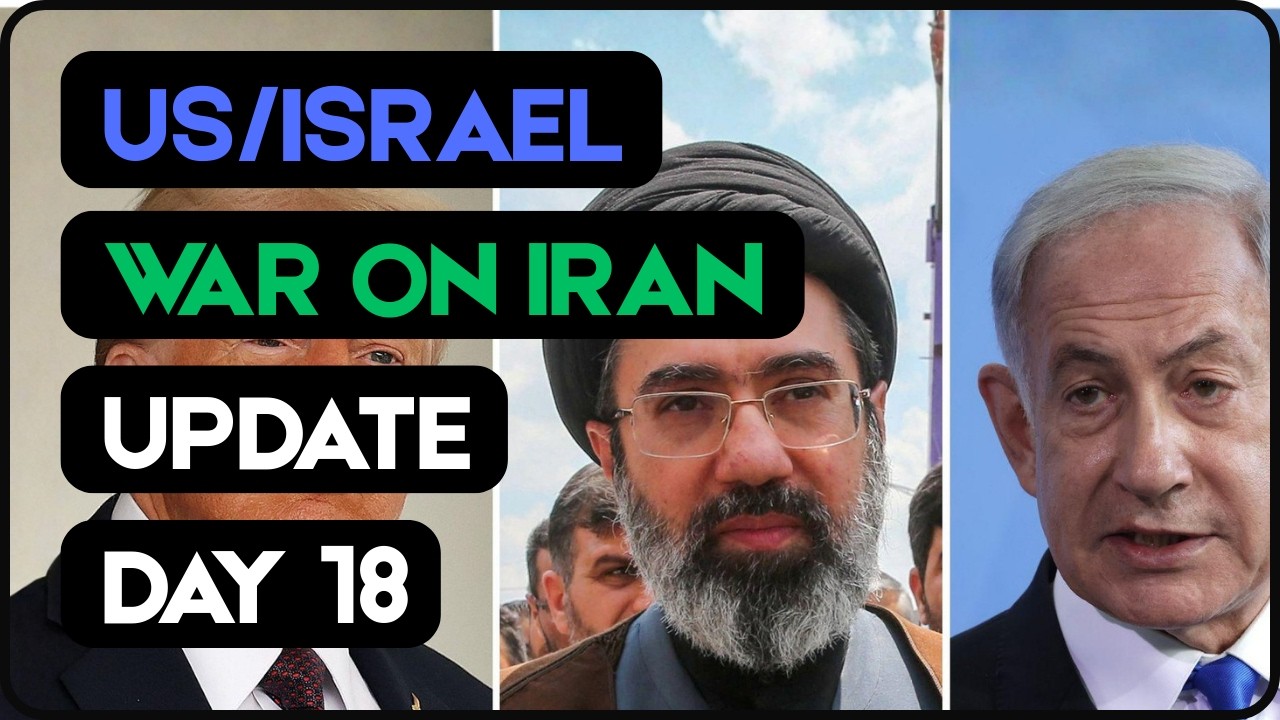
Day 19 of the US–Israel War on Iran: From “Victory” to “Send Help” | Strait of Hormuz Crisis Explained
The narrative has shifted dramatically. What started as bold claims of total victory has now evolved into urgent calls for international support. In this video, we break down how the US position has moved from “we’ve won” to “why isn’t anyone helping?” — and what that means for global power dynamics.
We dive into the evolving situation in the Strait of Hormuz, now effectively controlled by Iran and operating like a “semi-permeable membrane” — allowing some nations like China and India through, while restricting US-aligned countries. Reports from major outlets like the Wall Street Journal and Financial Times reveal that even European powers such as France and Italy are quietly negotiating with Iran for access.
This isn’t just a military conflict anymore — it’s an economic and geopolitical turning point. The global economy is beginning to fracture, with Western nations facing the brunt of the disruption, while parts of the Global South may emerge less affected. Meanwhile, Gulf states face long-term instability as their economic models and regional security are put at risk.
But perhaps the most shocking shift is in perception. As Western unity fractures and NATO allies hesitate or outright refuse to support the US, Iran is positioning itself as measured and strategic — flipping the narrative in a way few could have predicted.
Is this the moment the global balance of power begins to tilt? Is the US heading toward a forced negotiation from a weakened position? And how long can this conflict sustain itself before a deal is on the table?
This video covers: US strategic miscalculations, Iran’s asymmetric warfare doctrine, Strait of Hormuz control, Western alliance fractures, global economic impact, NATO tensions, and shifting geopolitical narratives.