Israeli Prime Minister Benjamin Netanyahu has laid out three non-negotiable conditions for any future deal between the United States, Israel, and Iran. (Not that Iran cares really). His demands?
1️⃣ All enriched uranium must leave Iran.
2️⃣ Iran’s nuclear infrastructure must be dismantled.
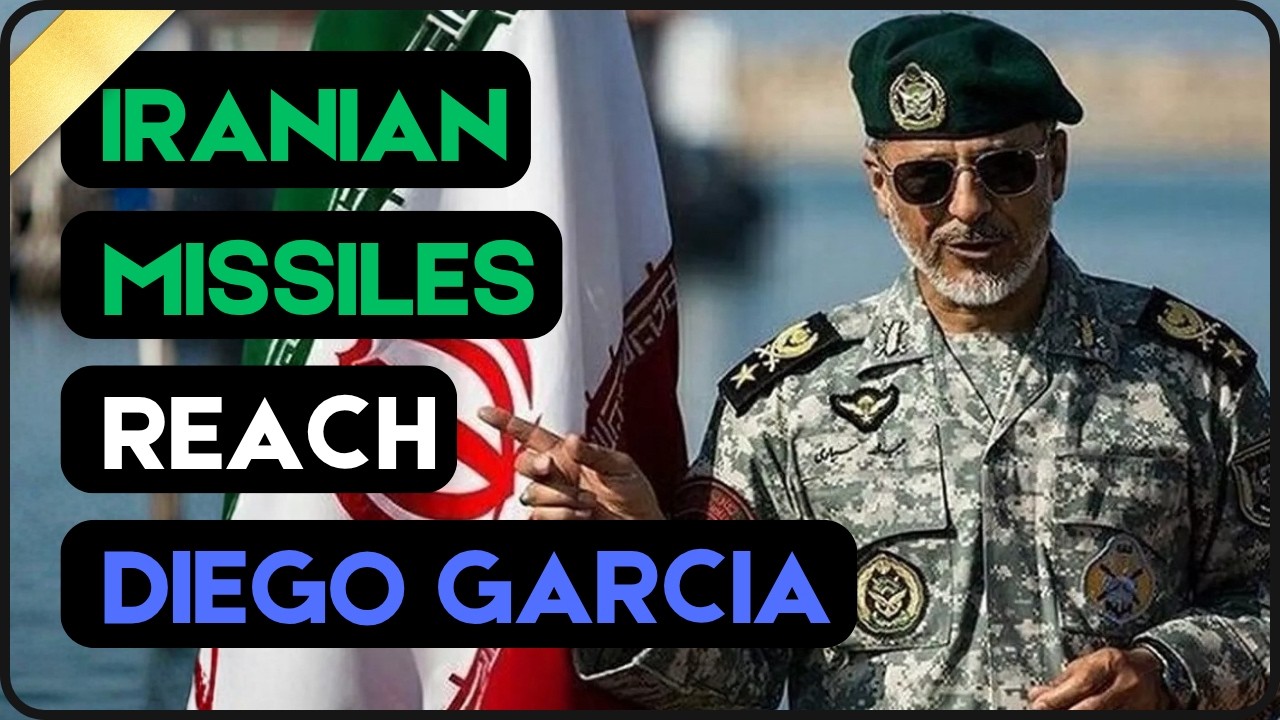
3️⃣ Iranian ballistic missiles must be limited to a 300km range — preventing them from reaching Israel.
These conditions were reportedly discussed during a three-hour meeting with Donald Trump, as the US prepares for another round of nuclear negotiations with Iran in Geneva. According to Axios, while both Washington and Tel Aviv agree that Iran must never obtain a nuclear weapon, they reportedly disagree on strategy — diplomacy versus confrontation.
Iran has signaled it is willing to limit uranium enrichment in exchange for sanctions relief, raising the stakes ahead of this next round of talks. But here’s where the geopolitical chessboard gets interesting.
Unlike last year’s tensions, Israel appears to be positioning itself behind US leadership rather than at the forefront. After recent direct exchanges exposed vulnerabilities — particularly the effectiveness of Iranian ballistic missile capabilities — the strategic calculus may be shifting.
Is Israel leveraging US pressure to secure its long-term security objectives? Would a US-Iran deal sideline Israeli strategic interests? Does diplomacy serve Washington more than Tel Aviv?
As US foreign policy recalibrates and American public appetite for Middle East conflict shifts, the window for confrontation may be narrowing. Economic pressure, deterrence, nuclear negotiations, missile restrictions — all are pieces in a broader regional power struggle involving Iran, Israel, and the United States.
This is high-stakes geopolitics: nuclear proliferation, sanctions relief, ballistic missile strategy, regional deterrence, and shifting alliances.
No Western spin. Just strategic analysis.
Stay tuned for updates following the Geneva talks.