🔥 Iran Says “Path to a Deal” Has Begun | US-Iran Nuclear Talks | Geneva Breakthrough?
Iran has announced that a potential path toward a nuclear deal with the United States has begun following brief but reportedly “serious and constructive” talks in Geneva on February 17.
After concerns that short negotiations might signal deadlock, statements from Iran suggest the opposite: enough common ground was found to begin drafting a potential agreement.
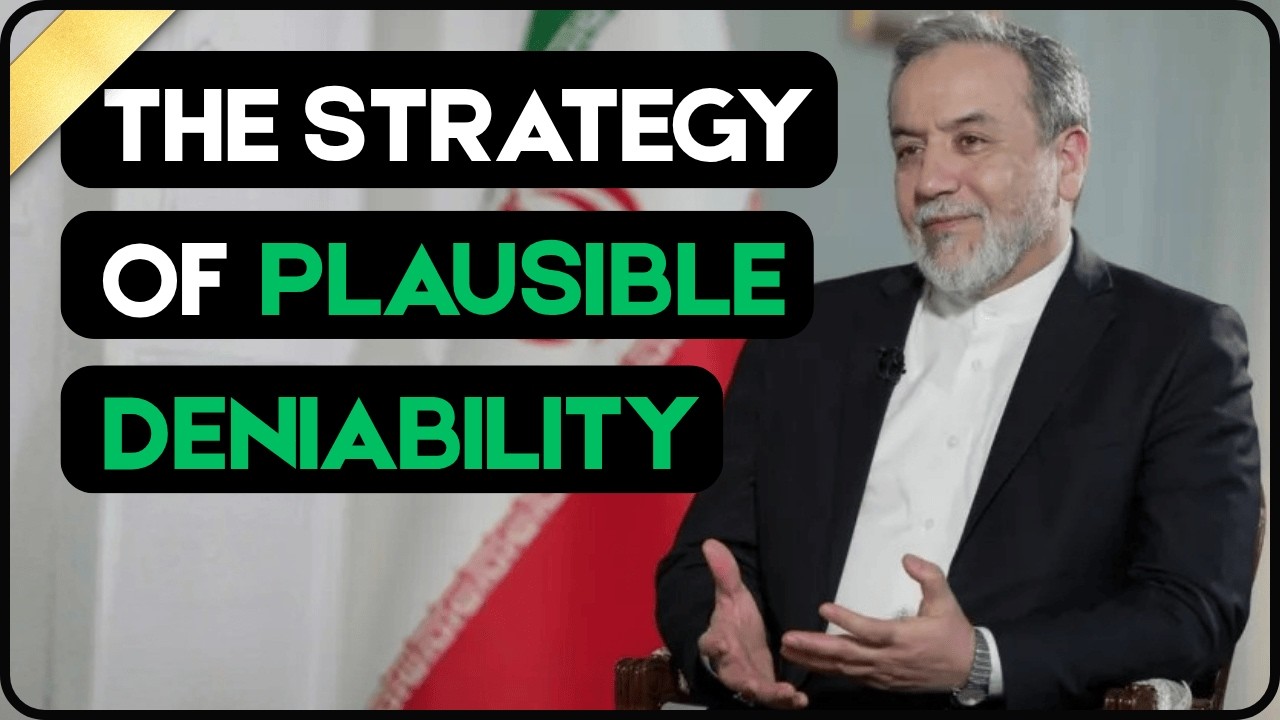
Iran’s Foreign Minister, Abbas Araghchi, told reporters in Geneva that discussions were “very serious” and conducted in a “constructive atmosphere,” adding that both sides agreed on “main principles” that could now form the basis of a written document. He cautioned that once drafting begins, the process will naturally slow down.
If confirmed by Washington, this could mark a significant turning point in US-Iran relations and the broader Middle East geopolitical landscape.
Now for the analysis.
From a transactional geopolitical perspective, both Washington and Tehran could frame this as a victory:
Iran could say: sanctions relief in exchange for reaffirming that it does not seek nuclear weapons — a position it has publicly maintained. No war. Economic breathing room. Strategic patience rewarded.
The United States could say: Iran has agreed to limits on enrichment or tighter nuclear constraints in exchange for lifting sanctions that do not fundamentally weaken American strategic positioning — especially as Washington gradually reduces its footprint in the Middle East.
Both sides could declare: we won. And there will be no war.
The bigger strategic question is sanctions relief. Even a temporary lifting could give Iran a crucial economic window. Tehran could secure upfront oil deals, deepen energy partnerships with China and others, and accelerate infrastructure development before any potential snapback sanctions. Infrastructure upgrades, logistics corridors, energy investment — all could be fast-tracked in anticipation of future uncertainty.
But there is another key actor watching closely: Israel.
Based on the rhetoric of Prime Minister Benjamin Netanyahu, Israel is unlikely to support a deal that excludes restrictions on Iran’s ballistic missile program and its regional alliances.
This puts Israel in a difficult strategic position. Unlike previous escalatory moments, launching unilateral strikes on Iran would be a high-risk gamble — especially if Washington is actively negotiating. Israel would prefer the United States to take the lead militarily if tensions escalate. But if Washington is focused on drafting a deal, that option becomes politically and strategically constrained.
That makes this a potentially high-stress moment for Israeli decision-makers.
Is this the beginning of a new nuclear framework? A tactical pause? Or a geopolitical reset? This is news without the western spin.