Northern Israel is once again on edge as air raid sirens echo across the region — but this time, the threat feels different. A suspected joint strike by Iran and Hezbollah marks a dangerous escalation in the northern front of the war, a front that remains underreported despite being one of the most intense and volatile.
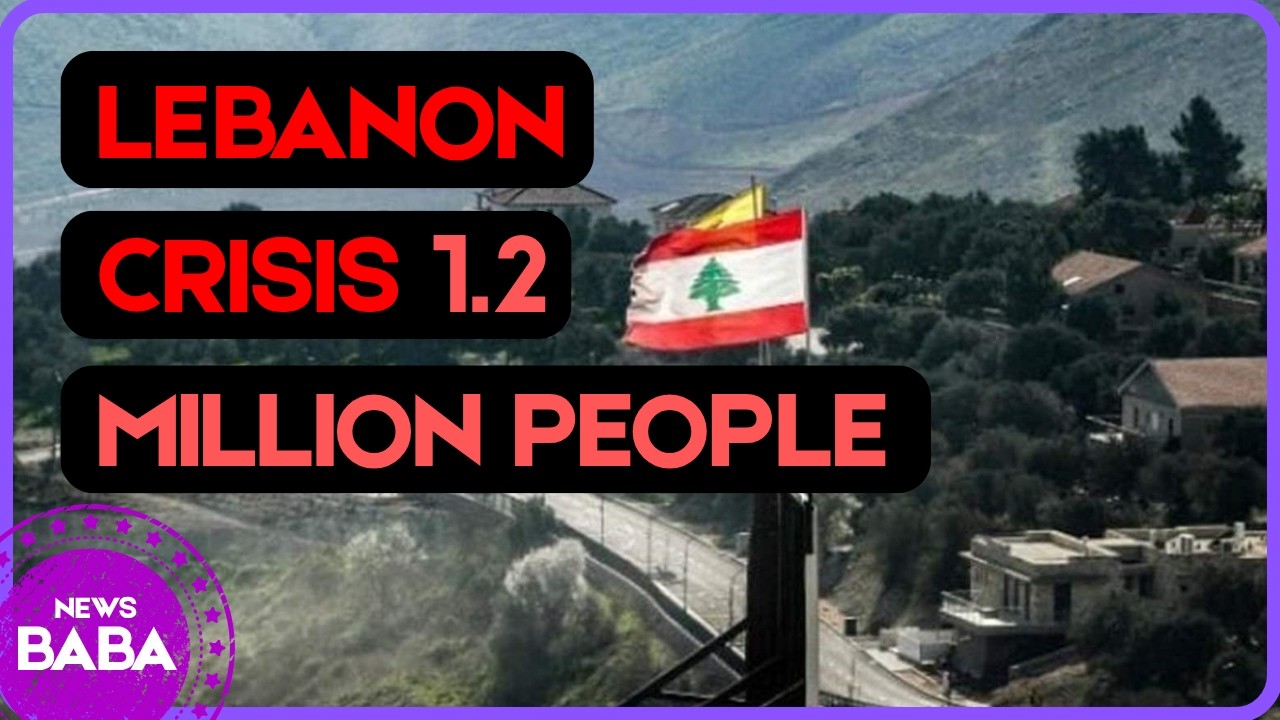
With rockets and missiles incoming, Israeli civilians face growing fear — but the humanitarian situation in Lebanon is even more severe. Over 1 million Lebanese civilians have reportedly been displaced, as Israeli airstrikes intensify and key infrastructure like bridges over the Litani River are targeted to cut off Hezbollah supply lines.
On the battlefield, Israel’s strategy appears focused on isolating southern Lebanon and weakening Hezbollah’s ability to resupply. But resistance on the ground is proving far tougher than expected. Reports describe “stiff resistance” from Hezbollah fighters operating on home terrain — a completely different challenge compared to previous engagements.
Meanwhile, Iran’s evolving missile strategy is changing the equation. Instead of mass-launching older systems, Iran is now deploying fewer but far more advanced missiles like the Kheibar Shekan, Sejjil, and Khorramshahr. These are harder to intercept, forcing Israel to use multiple high-cost interceptors per target, including systems like Arrow and THAAD — dramatically increasing the economic and military strain.
Even more concerning: if Iranian missiles are guided using real-time targeting data from Hezbollah positions, Israeli forward bases inside Lebanon could become extremely vulnerable.
As leaflets fall over Beirut warning of destruction similar to Gaza, the stakes are rising rapidly. A prolonged ground war in Lebanon — against a stronger, better-equipped force — could reshape the entire conflict.
This is no longer just a regional flare-up. This is a multi-front war with global implications.