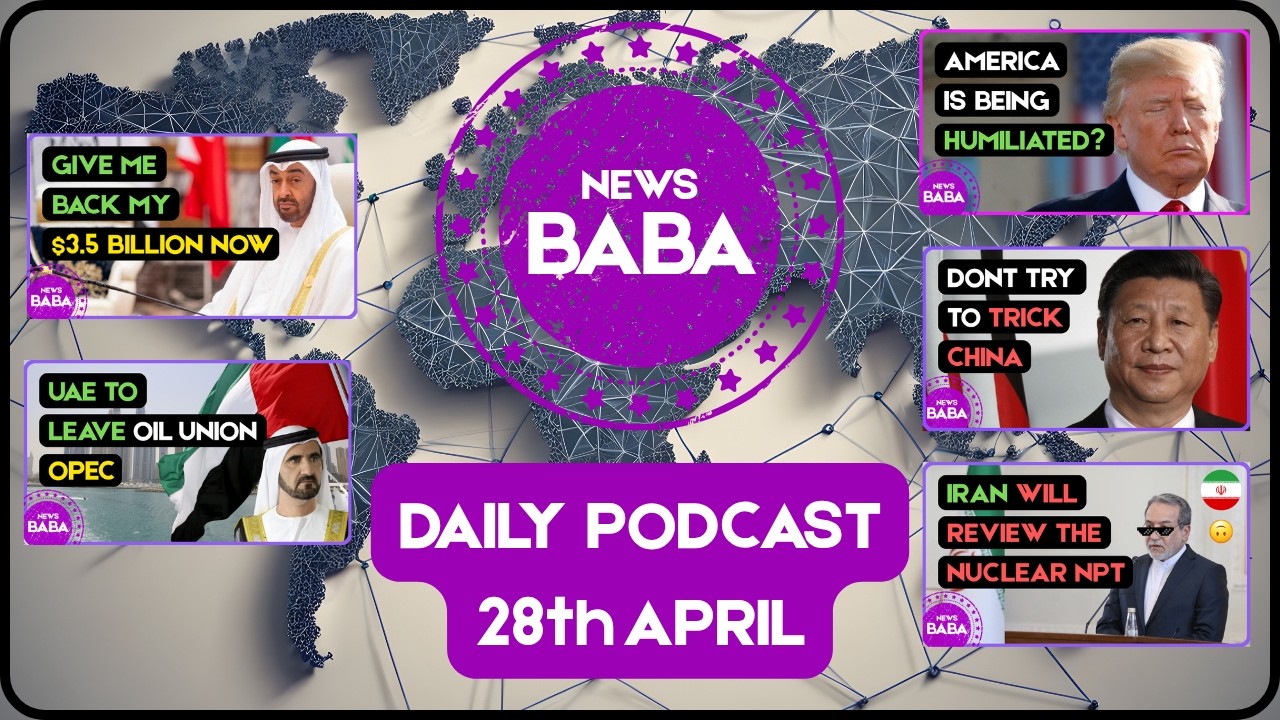
In a major geopolitical development, the United Arab Emirates (UAE) has officially announced its exit from OPEC — and the implications could ripple across global oil markets.
This isn’t panic territory—but it is significant.
OPEC has always been more of a coordinated agreement than a rigid alliance. Member nations agree to limit oil production to keep global prices stable and profitable. But now, the UAE is stepping away from those limits.
So what’s really going on?
From May 1st, the UAE is essentially saying:
👉 We will produce and sell oil on our own terms—no caps, no restrictions. This signals a few key things:
A desire to maximize short-term oil profits while prices remain high
Growing tensions with Saudi Arabia, the de facto leader of OPEC
A strategic push to bypass the Strait of Hormuz using routes like Fujairah Port
Economic pressure at home, especially with tourism taking a hit post-conflict
With a U.S.–Iran ceasefire easing regional tensions, the UAE appears ready to capitalize fast—selling as much oil as possible while margins are high.
But there’s a catch…
More supply from a major producer like the UAE could make oil prices even more volatile—at a time when markets are already shaky due to events like the Russia-Ukraine War.
And the UAE? They seem willing to accept that risk. This move also hints at deeper financial strain, with reports of debt repayment demands from Pakistan, raising eyebrows across global financial circles.