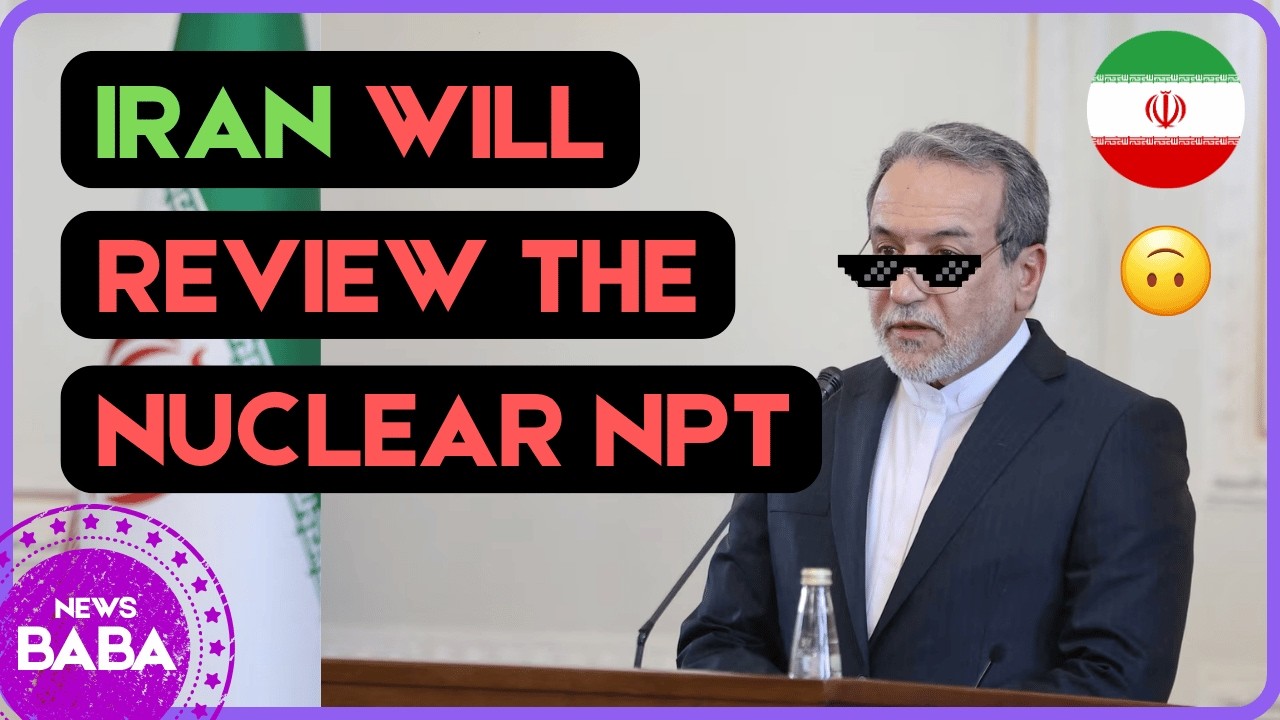
Tensions between Iran and the United States just escalated again—and this time, it’s all about a rejected peace proposal.
An Iranian official fired back at America with a sharp remark, questioning whether U.S. internal divisions have become so severe that it’s “negotiating with itself.” This comes after Donald Trump reportedly sent a peace proposal to Tehran via Pakistan—highlighting the lack of direct diplomatic talks between the two sides.
Iran has now officially rejected the proposal, calling it “maximalist and unreasonable.” Key demands—like limiting Iran’s missile program and cutting support for regional allies—were seen as unacceptable. Sources speaking to Al Jazeera even described the deal as weak “even on paper.”
But here’s where things get interesting…
Despite the rejection, this moment signals something bigger: both sides may actually want an exit. The real question is—on whose terms?
In this video, we break down the shifting balance of power, why Iran appears to be in a stronger negotiating position, and what this means for the future of the conflict. With discussions of the Strait of Hormuz, war reparations, and even possible U.S. military escalation, this situation is far from over.
Is this the beginning of the end—or just the calm before a much bigger storm?
Watch till the end for the full geopolitical analysis.