A Chinese engineering account just went viral with over 10 MILLION views… for explaining how to take down one of the most advanced fighter jets in the world — the F-35.
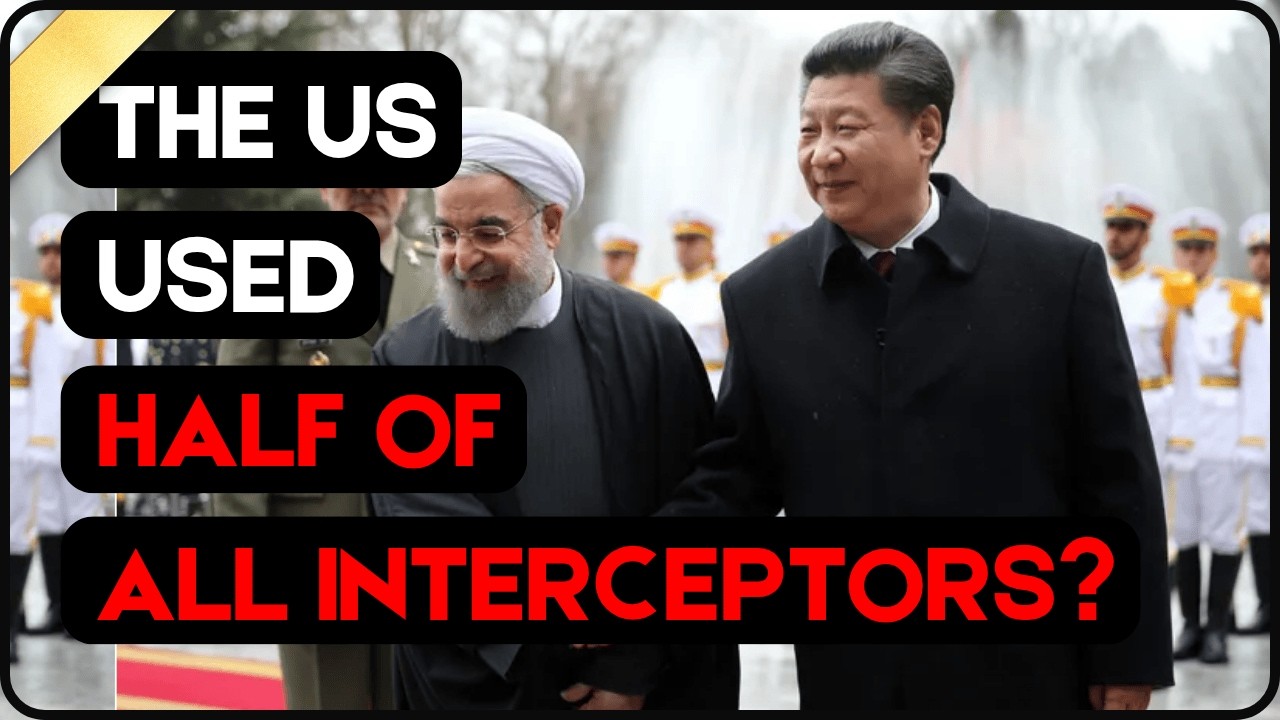
Days later, Iran claims it damaged a US F-35 over its skies. The US confirmed the jet was forced into an emergency landing, though the exact cause remains under investigation . Coincidence? Maybe. But in modern warfare, information spreads fast — and influence spreads faster.
What’s truly fascinating isn’t just the battlefield — it’s the digital battlefield. Chinese engineers and analysts are openly discussing military vulnerabilities, detection methods, and counter-strategies online. And these posts are staying up.
That raises a deeper geopolitical question:
Is this unofficial content… or a form of soft power projection?
China produces roughly 10x more engineering graduates than the US, fueling a massive talent base that shapes everything from infrastructure to military theory. Meanwhile, platforms like Douyin and Baidu are becoming unexpected arenas of global influence — where ideas, strategies, and narratives move faster than missiles.
This isn’t just war.
This is information warfare, tech warfare, and narrative warfare — all at once.
As the Iran conflict continues, one thing is clear: even without firing a single shot, major powers are shaping the battlefield in ways we’ve never seen before.