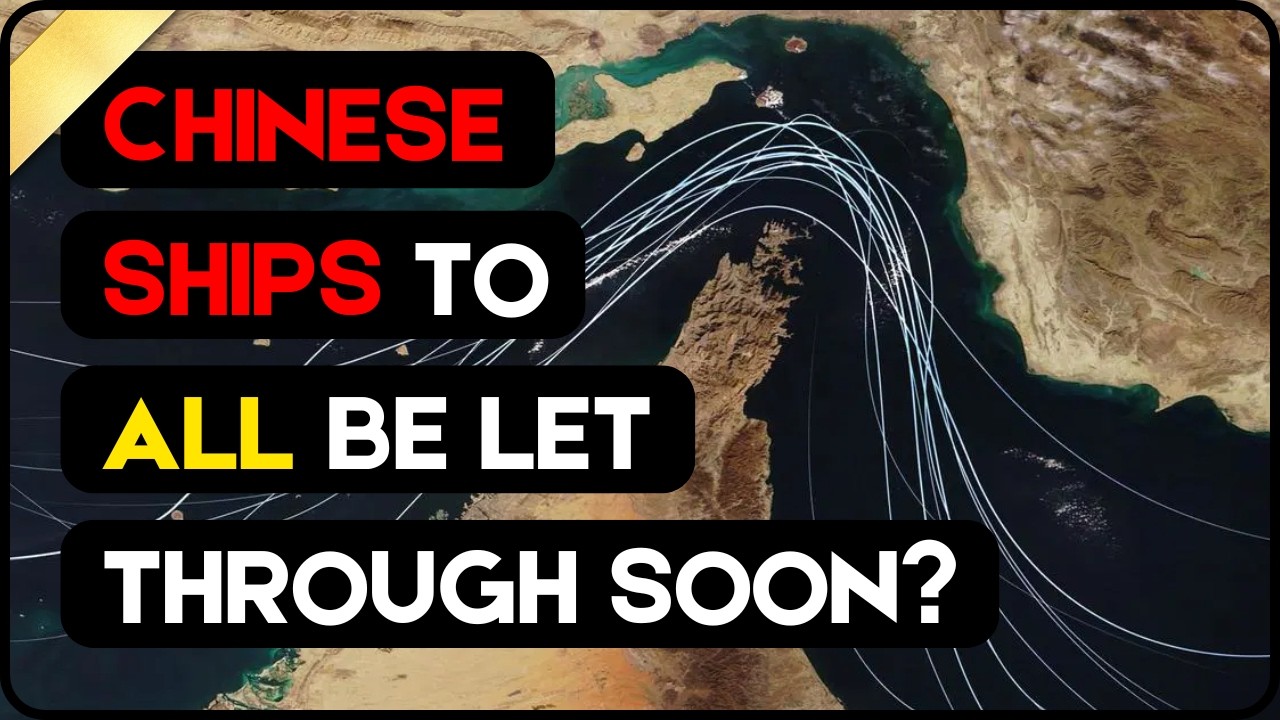
China may have just changed the rules of modern warfare. According to reports from the South China Morning Post, Chinese scientists have successfully demonstrated a capability that could allow continuous, real-time tracking of ships across the globe using just three satellites.
This isn’t science fiction — it’s based on advanced synthetic aperture radar (SAR) mounted on geosynchronous satellites, allowing China to monitor targets from over 35,000 km above Earth. In a live test, they tracked a 340-meter Japanese oil tanker in real time — proving that constant maritime surveillance may soon be possible. Why does this matter?
Traditionally, even the most advanced militaries — including the United States military — struggle with persistent global tracking due to limitations like cloud cover, orbital movement, and coverage gaps. But this new system could eliminate those blind spots entirely.
If fully operational, this means:
Aircraft carriers could be tracked 24/7
Naval movements could become fully transparent
Stealth at sea could become obsolete This development comes amid rapid Chinese advancements in:
Hypersonic weapons
Sixth-generation fighter jets
Electronic warfare systems
Autonomous underwater vehicles
Is this the beginning of a new great power technological race? Or has China already taken the lead?
The implications for global geopolitics, naval strategy, and future conflicts are massive — and this could redefine how wars are fought at sea.
Watch till the end to understand what this means for the US, China, and the balance of power in the 21st century.