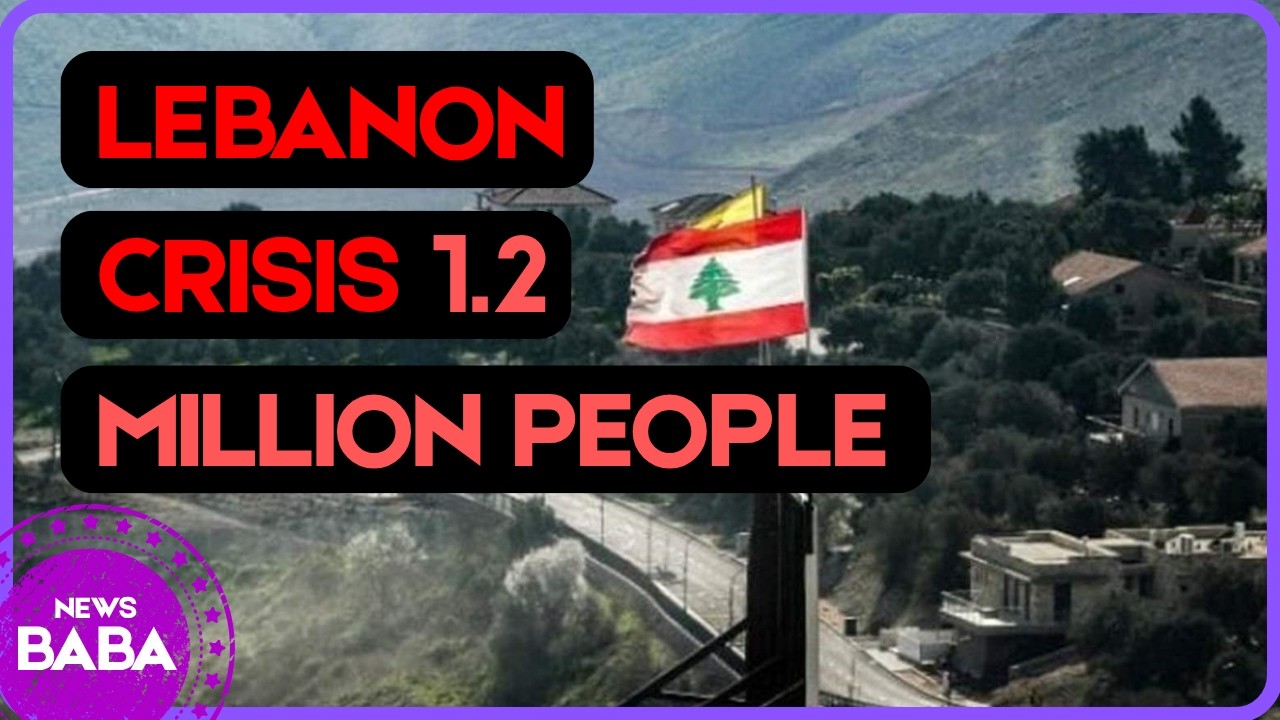
Today is Yawm al-Jumu’ah (Friday) — often called the “Eid of the week” in Islam — and in Lebanon, this Friday carries extraordinary significance. As reports emerge of a potential ceasefire between Israel and Lebanon, nearly a million people are celebrating in scenes rarely witnessed during such a tense conflict.
But beneath the celebrations, the situation remains fragile.
Israel has signaled it will halt major advances, yet maintain its presence in southern Lebanon while continuing operations against Hezzy infrastructure. In practical terms, this raises serious concerns about ongoing destruction despite the ceasefire framework — a point likely to trigger further escalation if challenged.
Meanwhile, internal dynamics in Israel reveal growing dissatisfaction. Reports suggest a significant portion of the population favors continued military presence, while officials hint that the ceasefire may have been heavily influenced by pressure from the United States.
So why would Washington push for this?
This video breaks down the geopolitical strategy behind the ceasefire, including:
Why the US may be pushing for de-escalation
Iran’s role and its firm stance on Lebanon
The pressure from global allies and domestic US politics
Whether this ceasefire is a genuine step toward peace — or just a pause before further conflict
We also revisit a key prediction: that by mid-April, we would see either public peace discussions or a reduction in hostilities. Now, that scenario appears to be unfolding in real time.
Is this the beginning of a broader US-Iran deal? Or just another temporary reset in a long-running conflict?
Watch now for a clear, analytical breakdown of what’s happening — and what could come next.