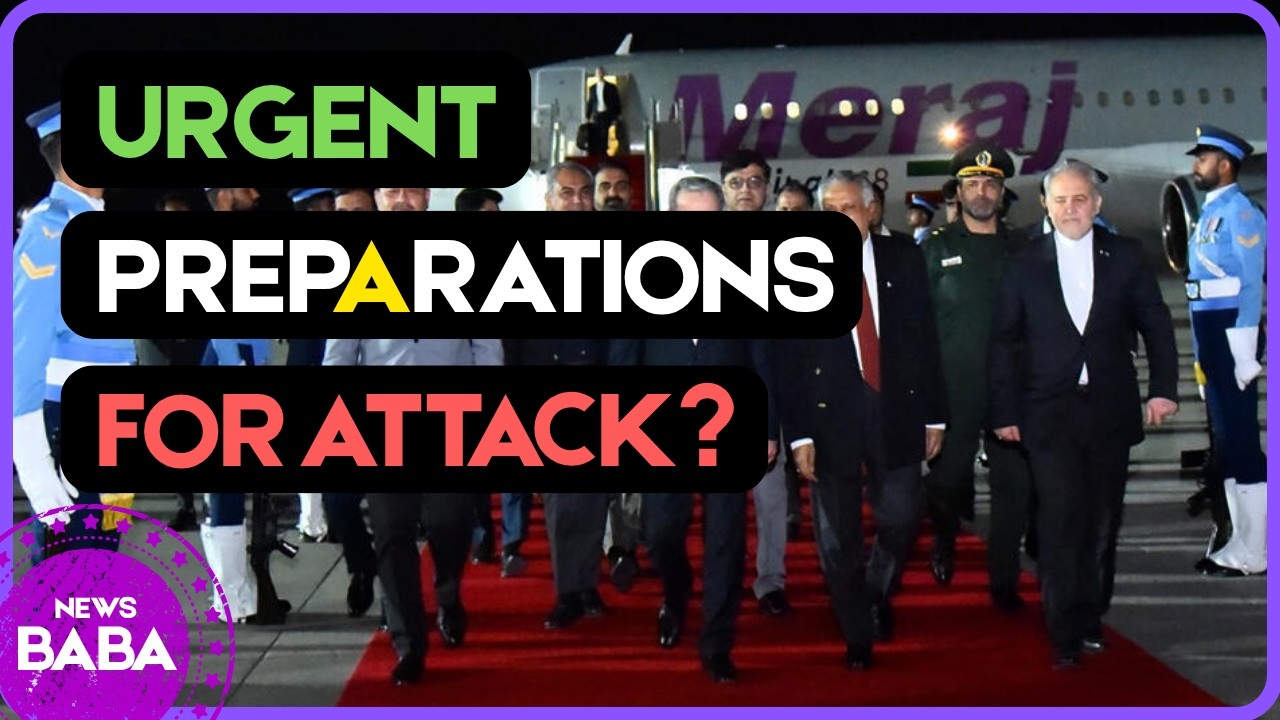
Tensions in the Middle East are reaching a critical point. On April 6th, the United States and Iran—along with regional mediators like Turkey, Saudi Arabia, Egypt, and Pakistan—have reportedly explored a 45-day ceasefire proposal that could pave the way for a permanent peace deal. But according to Axios, the chances of success remain slim.
Meanwhile, President Donald Trump has escalated rhetoric dramatically, threatening strikes on Iranian infrastructure—including power plants and bridges—if a deal is not reached by Tuesday. These statements have raised global alarm, as targeting civilian infrastructure could trigger massive retaliation across the region.
Iran has made its position clear: any attack on its power grid will be met with strikes on Israel and Gulf states like Saudi Arabia, UAE, Qatar, and Bahrain. This raises the stakes significantly, with the potential for a wider regional war.
Geopolitical Analysis:
The US and Israel may be pushing for a short-term ceasefire to regroup after intense early operations. Iran, positioned as the endurance player, appears to favour a permanent peace deal to lock in strategic gains. A ceasefire could simply delay further conflict, while a peace agreement would make renewed war diplomatically harder.
This is a classic strategic standoff:
Escalation vs Negotiation.
Short-term tactics vs long-term outcomes.
Will diplomacy prevail—or are we heading toward a broader regional conflict?
Stay tuned for unbiased geopolitical analysis and real-time updates.
Keywords: US Iran conflict 2026, Middle East war update, Trump Iran threats, Strait of Hormuz crisis, geopolitics analysis, Israel Iran tensions, Gulf countries risk, ceasefire vs peace deal, global conflict escalation, breaking news geopolitics