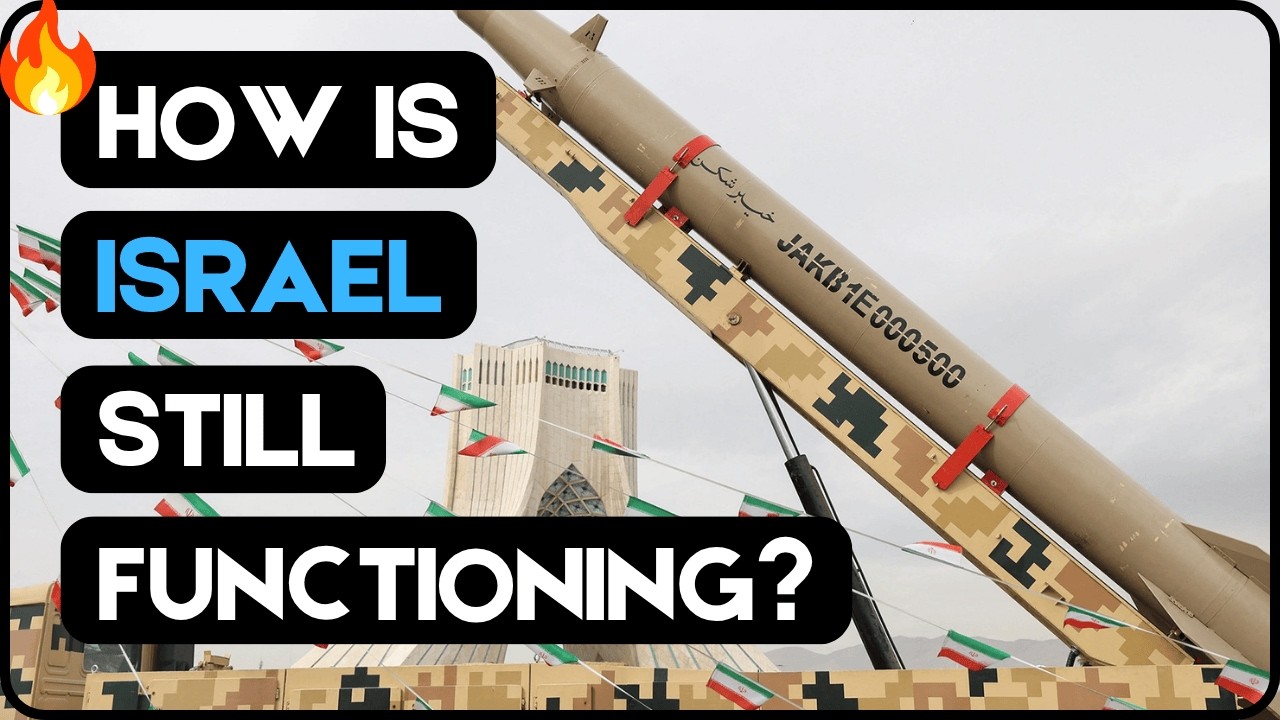
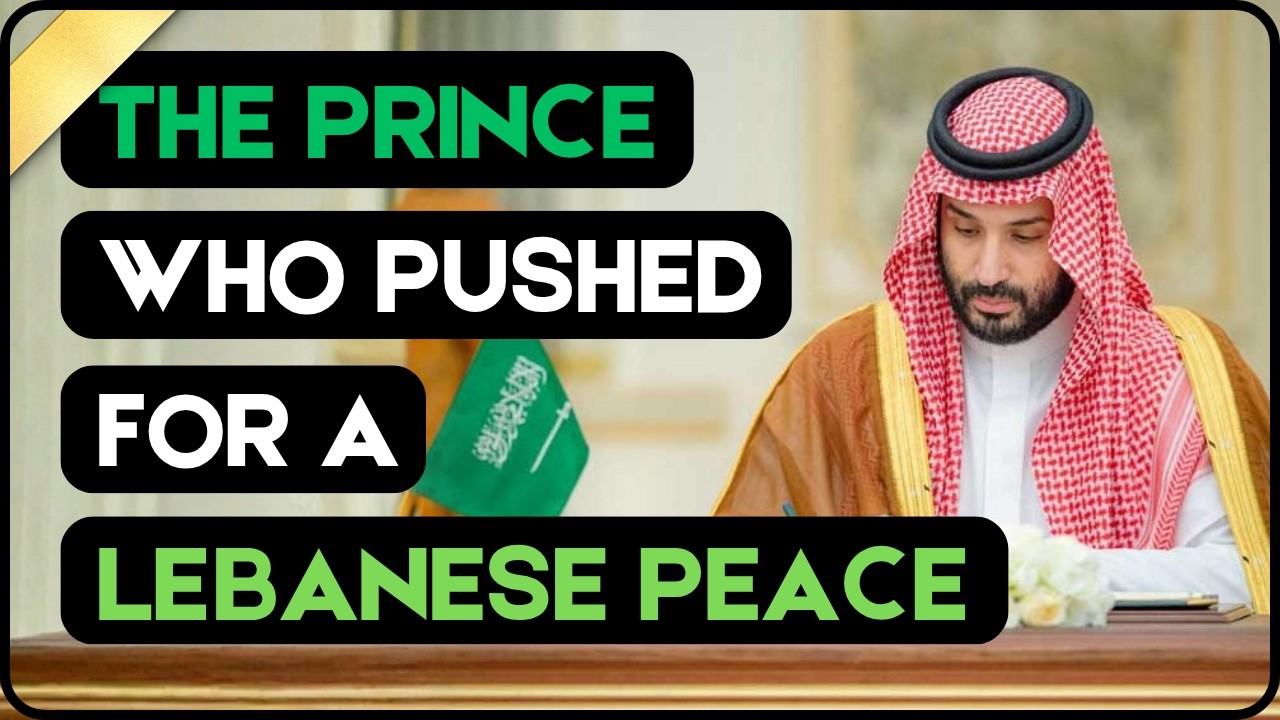
On the eastern Mediterranean front, tensions are escalating fast. As Israel shifts its military focus toward southern Lebanon—eyeing the Litani River as a potential buffer zone—the fragile ceasefire narrative is already beginning to unravel.
What was announced as a breakthrough moment by Donald Trump quickly descended into confusion. Iran signaled conditional cooperation, allowing shipping through the Strait of Hormuz under escort. But within hours, Israeli airstrikes hit Lebanon hard—killing dozens of civilians and reigniting regional tensions.
Was Lebanon included in the ceasefire? Depends who you ask.
In this video, we break down:
The strategic importance of southern Lebanon and the Litani River
Why Israel may be expanding its objectives beyond Iran
Iran’s red line: Hezbollah and regional alliances
The geopolitical confusion around the ceasefire terms
America’s dilemma: Israel vs Gulf allies vs its own strategic interests
How control of the Strait of Hormuz could reshape global energy markets
Whether this escalation risks dragging the region into a broader war
This isn’t just about Lebanon. This is about power, influence, and the shifting balance in the Middle East. As US global dominance faces new limits, decisions made now could define the next decade of geopolitics.
“News without the Western spin.”
Keywords / SEO tags:
Israel Lebanon conflict, Iran Israel tensions, Hezbollah news, Litani River strategy, Middle East geopolitics, Strait of Hormuz crisis, US foreign policy analysis, Trump ceasefire, Lebanon airstrikes, Iran military strategy, regional escalation, global energy crisis, war analysis 2026, geopolitical breakdown