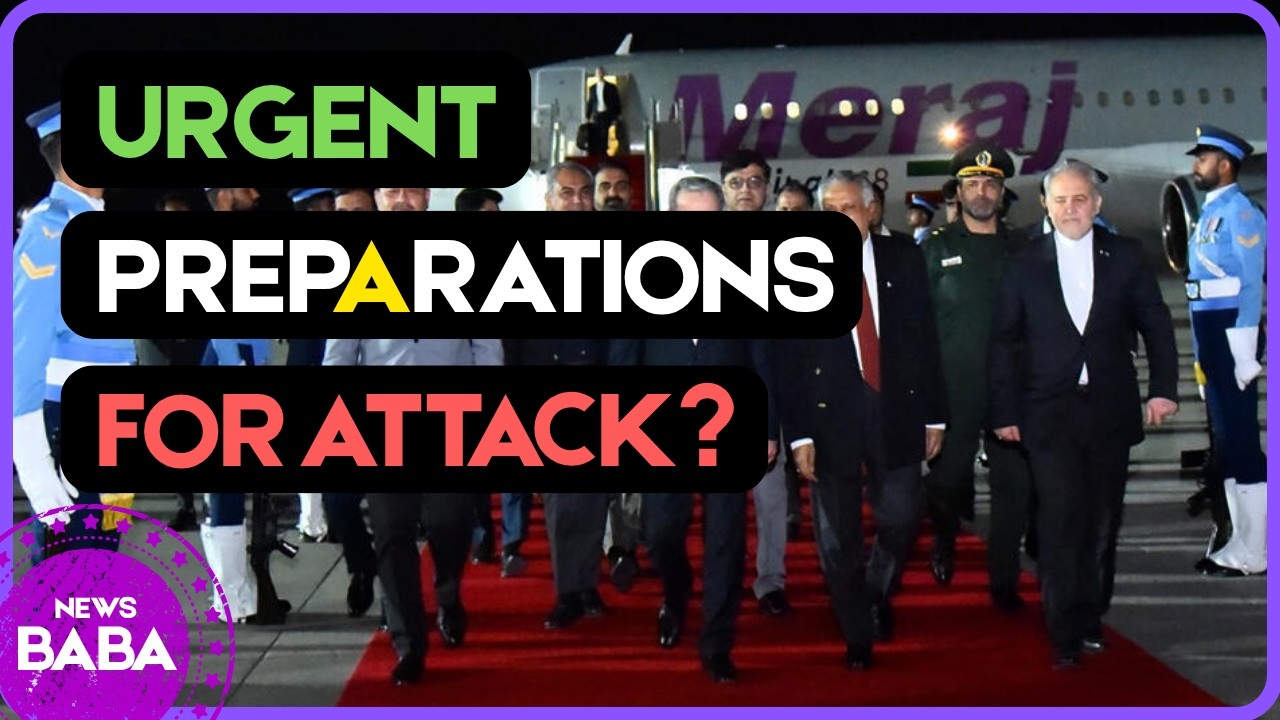
With just days left before the US–Iran ceasefire expires, high-stakes diplomacy is unfolding across the Middle East. Pakistan has stepped into a pivotal role—bridging communication between rivals and potentially shaping the next phase of global geopolitics.
Pakistan’s Prime Minister Shehbaz Sharif is actively engaging Gulf monarchies, while the country’s most powerful figure, Asim Munir, has landed in Tehran—personally welcomed by Iran’s Foreign Minister Abbas Araghchi. This dual-track diplomacy signals serious intent.
Meanwhile, backchannel talks hint that Iran may be willing to reconsider parts of its nuclear posture if negotiations with the US resume. Pakistan’s connections with Washington—especially through JD Vance—could prove critical, given Vance’s anti-war stance.
At the same time, Pakistan’s outreach to Gulf states, Turkey, and others raises big questions: Is this about peace mediation—or something deeper like strategic defense alignments and nuclear umbrellas?
Behind the scenes, China is quietly observing and influencing. With deep ties to Pakistan, Beijing’s subtle strategy contrasts sharply with Washington’s louder approach. In a rapidly evolving multipolar world, this moment could define new alliances and power structures.
As tensions rise and diplomacy intensifies, one thing is clear: Pakistan is no longer just a regional player—it’s becoming a geopolitical power broker.