A major ceasefire between Israel and Lebanon may be taking shape—but is it real, or just another fragile pause in conflict? Former U.S. President Donald Trump claims a deal is in motion, with Lebanon welcoming the move and southern paramilitary forces signaling cautious acceptance.
However, there’s a critical condition: no one-sided ceasefire. Armed groups in southern Lebanon warn they will only comply if Israel halts all military actions. In simple terms—either both sides stop, or neither does.
Meanwhile, Israel has yet to officially confirm the ceasefire, raising serious questions. Is this a sign of reluctance? Has Washington pressured Israel into a deal it doesn’t fully support?
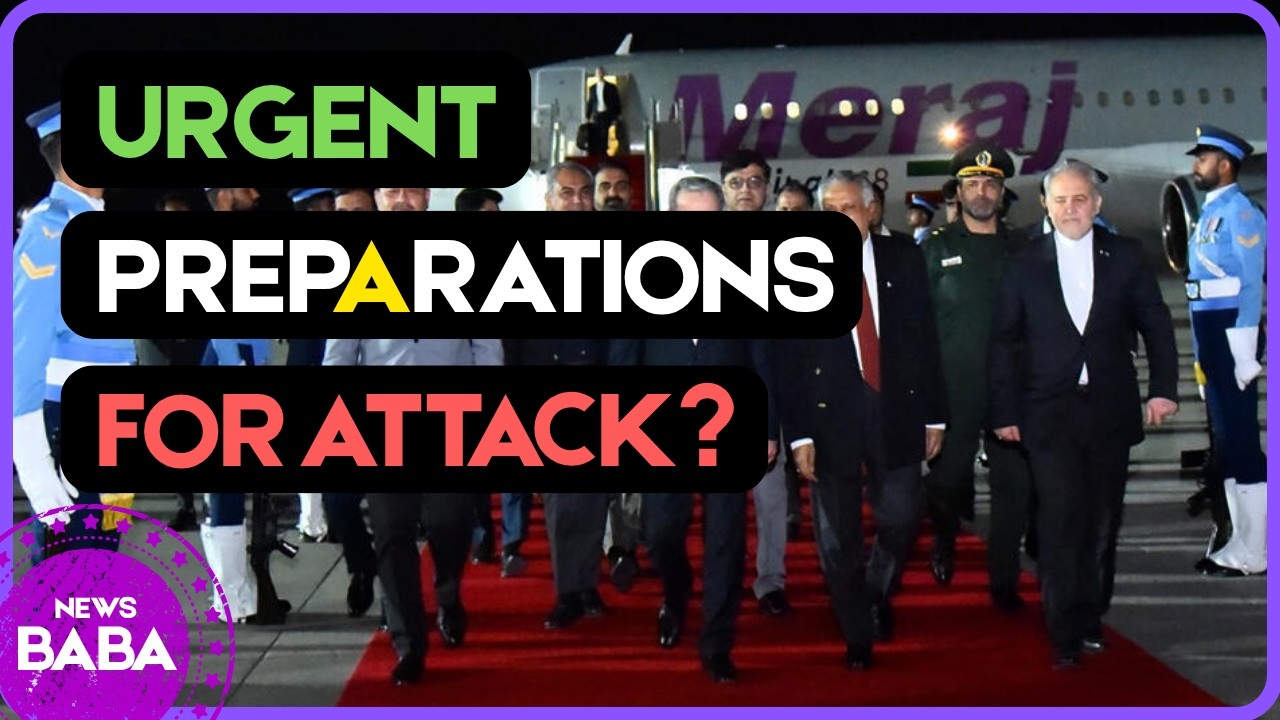
At the center of the diplomatic push is the U.S., potentially trying to stabilize the region while negotiating with Iran. Iran has made it clear: Lebanon must be included in any broader agreement—or talks could collapse.
European leaders, including Ursula von der Leyen, have welcomed the ceasefire, hoping it prevents further destruction and saves civilian lives.
But beneath the surface, the situation is tense. Israel has not achieved its military objectives in southern Lebanon, facing strong resistance in key areas like Bint Jbeil. A ceasefire now could allow opposing forces to regroup—something Israeli leadership may find hard to justify domestically.
So what happens next?
Will Israel fully commit—or ignore the deal?
Can the U.S. enforce peace without losing influence?
And could this ceasefire shape a wider U.S.–Iran agreement?
This is more than a pause in fighting—it’s a high-stakes geopolitical chess match with global consequences.