Germany just broke ranks with the United States — and the implications are huge.
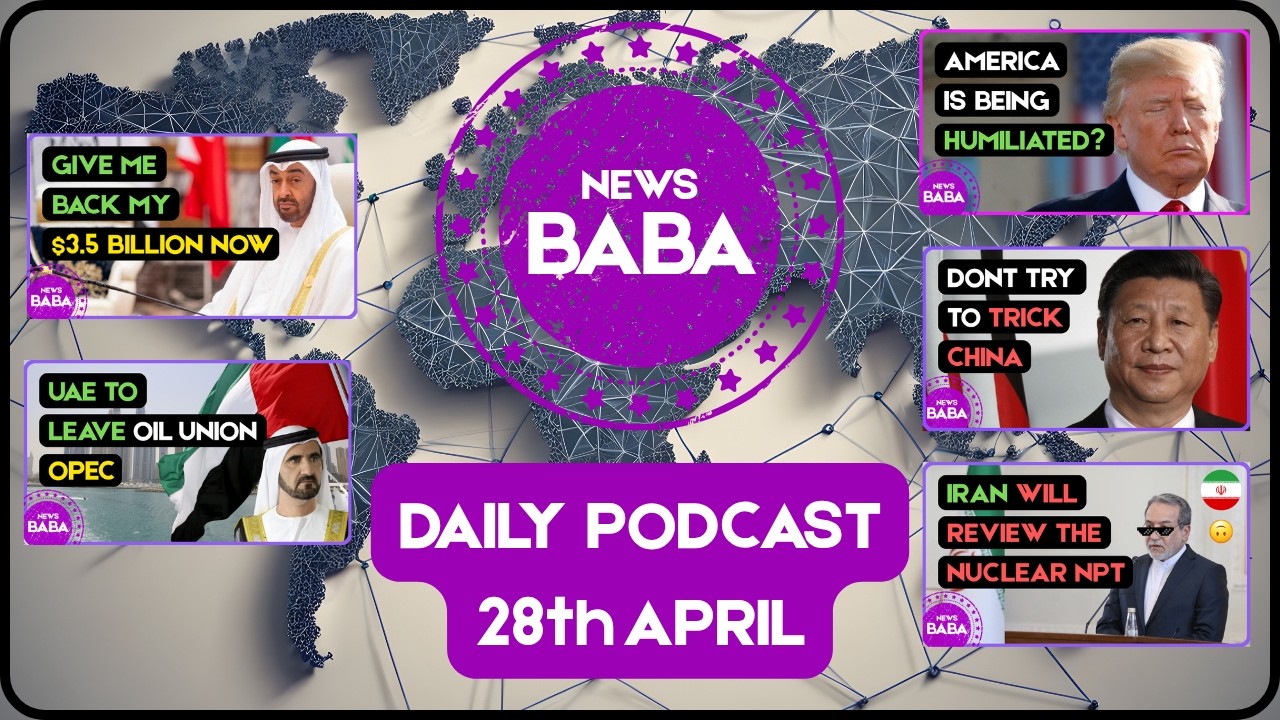
In a shocking statement, Friedrich Merz suggested that the US is being “humiliated” by Iran, raising serious questions about Western unity, NATO cohesion, and the future of global power dynamics.
At the center of this geopolitical crisis is the Strait of Hormuz — the world’s most critical oil artery. With Iran effectively leveraging control over this chokepoint, global energy markets, European economies, and US alliances are under intense pressure.
Why is Germany distancing itself from United States?
Is this about ideology — or pure economic survival?
As Iran offers conditional peace deals while maintaining leverage, countries across Europe and Asia — from Japan to France — are watching closely. The strategic messaging is clear: accept Iran’s terms and reopen global trade, or risk deeper economic fallout.
Meanwhile, figures like Marco Rubio signal resistance from Washington, raising the stakes even further.
This is more than a regional conflict — it’s a high-level geopolitical chess match involving oil supply chains, military strategy, economic warfare, and global alliances shifting in real time.
Is the US losing strategic ground?
Are allies beginning to question American leadership?
And has Iran found a pressure point that could reshape the global order?
Watch till the end for the full breakdown.