🤖 China’s Robot Revolution? Spring Festival Gala Shock | US vs China Tech Race | Geopolitics Explained
Many remember the viral machines from Boston Dynamics — backflips, parkour, military-grade mobility. American robotics at its finest.
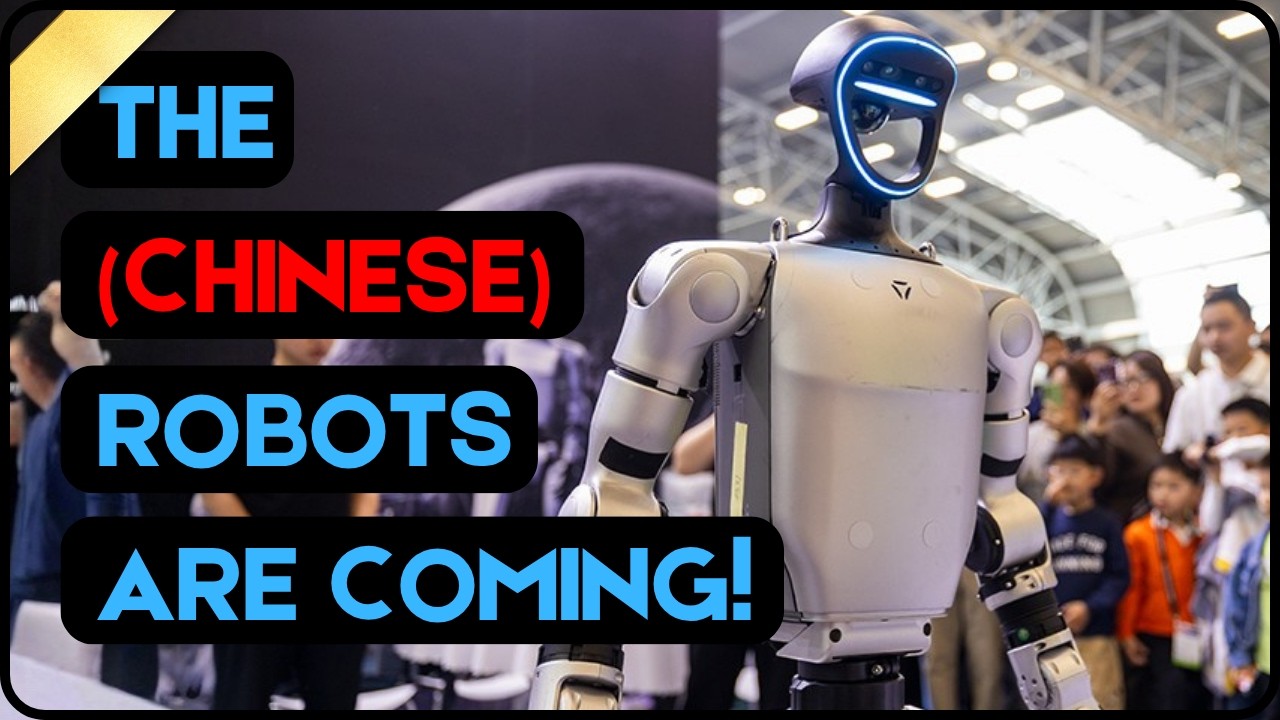
But then came this year’s Spring Festival Gala in Beijing — and the challenger made a statement. Chinese robotics firm Unitree Robotics showcased humanoid robots performing synchronized backflips and advanced movement routines that stunned global audiences. Comparing last year’s gala to this year’s, the acceleration is obvious. This is what I call “challenger velocity.”
China may still be considered second to the United States in overall technological dominance. But in robotics, automation, and industrial scaling, the rate of Chinese progress is forcing Washington to reassess its lead.
📊 The numbers tell the story: Last year, over 13,000 humanoid robots were shipped worldwide. Roughly 90% reportedly came from China. In industrial robotics, China already leads in annual installations, and East Asia as a whole has the highest robot density globally.
This isn’t just about cool viral videos.
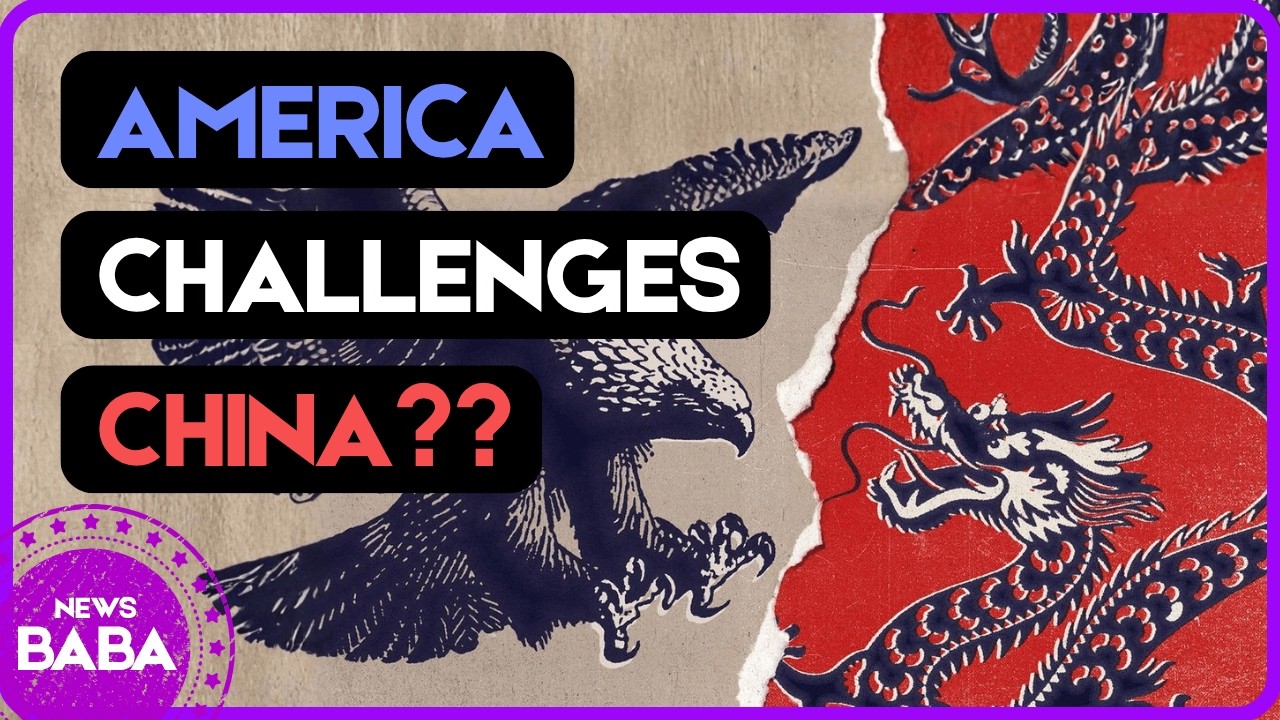
This is about the geopolitics of a new Cold War — not Washington vs Moscow, but Washington vs Beijing. Just as the 20th century Cold War revolved around space races, nuclear arsenals, and ideological prestige, today’s rivalry centers on AI, robotics, semiconductors, automation, and supply chains. The eagle and the dragon are competing for technological prestige — and global markets.
Why does this matter?
Because the Global South is rising. Africa, Southeast Asia, Latin America — massive populations with growing purchasing power. Add to that wealthy Western economies in Europe, Australia, Canada. These are colossal future markets for automation and robotics.
If China can demonstrate that it produces cutting-edge robotics at scale — affordable, advanced, and independent of Western political conditions — it changes the global balance of influence.
The pitch from Beijing is clear:
“Made in China” no longer means cheap manufacturing. It means advanced automation, AI leadership, and industrial dominance.
Whether that framing holds long-term is another question. But the velocity is real. In a multipolar world, symbolic dominance matters as much as practical dominance. And events like the Spring Festival Gala are becoming technological shopfronts — showcasing national capability to the world.
Time will tell whether this challenger velocity reshapes global power — or whether the United States adapts fast enough to retain its edge. This is news without the Western spin.