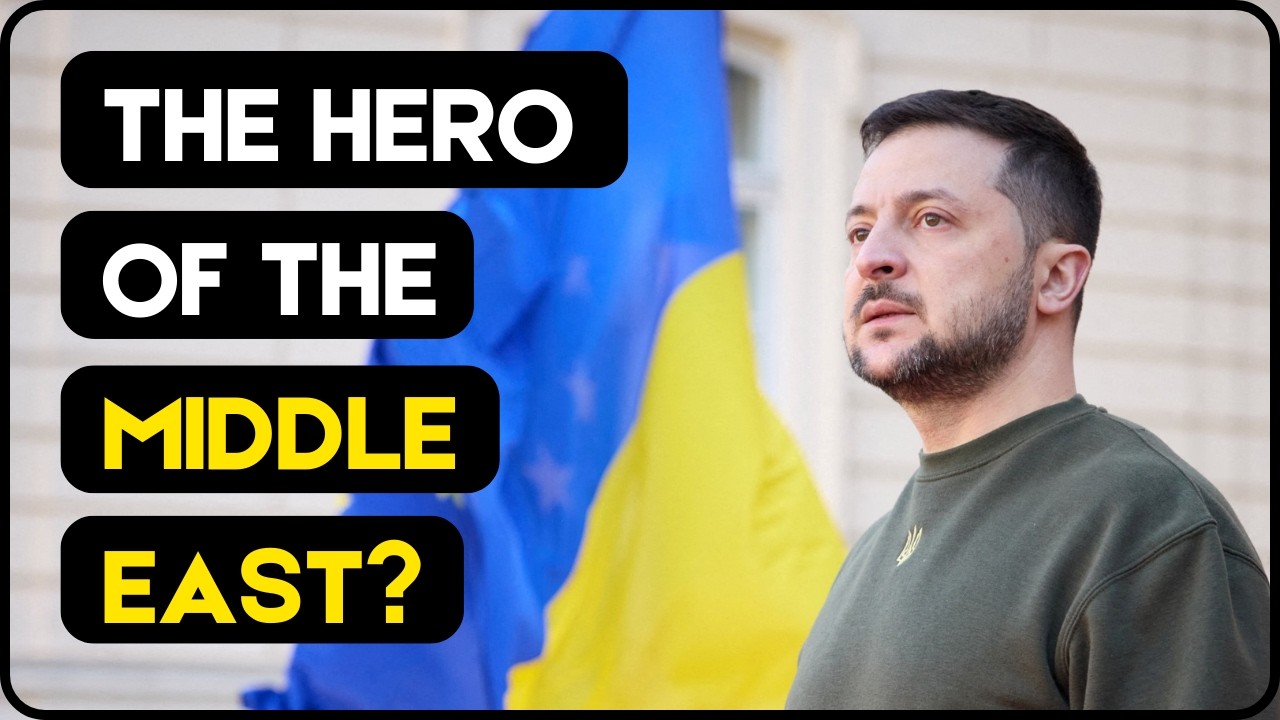
Russia and Ukraine are back at the negotiating table in Geneva, in what could become the most consequential peace talks since the war began in 2022. According to reports, the United States facilitated the meeting, with former U.S. President Donald Trump publicly urging Kyiv to move quickly toward a settlement with its “great regional power” neighbor.
As the war approaches its fifth year, the core issue in these negotiations is land — specifically control over territory in eastern Ukraine. Moscow is reportedly pushing for Ukraine to withdraw from the remaining 20% of the Donetsk Oblast still under Ukrainian control, even beyond areas currently occupied by Russian forces. So far, Kyiv has resisted.
Ahead of talks, Russia launched widespread drone strikes targeting Ukraine’s energy infrastructure, causing nationwide blackouts. With winter conditions weaponized, the conflict has become a brutal war of attrition — grinding, calculated, and designed to exhaust the enemy’s will rather than achieve rapid breakthroughs.
This is geopolitics without the Western spin.
Russia’s strategy appears consistent with its historical military doctrine: sustained pressure, gradual territorial consolidation, and psychological fatigue. From the defeat of Napoleon Bonaparte in 1812 to the destruction of the German nvasion during World War II in the 1940s, Russian strategy has often relied on attritional endurance. This time, however, Moscow is applying attrition offensively — holding ground while grinding down Ukrainian capacity.
But this war has never been purely bilateral.
The North Atlantic Treaty Organization has provided hundreds of billions in financial aid, advanced weapons systems, and intelligence support. The United States led the effort, alongside European partners, while private-sector tools like Starlink ensured battlefield connectivity in the early phases of the war — before Russia adapted.
Ukraine’s position now looks increasingly difficult. Western unity appears strained. Economic exhaustion is setting in. Energy infrastructure remains under repeated assault. The “fortress belt” defensive lines in eastern Ukraine are holding — but at a cost.
So what is Kyiv’s endgame?
It may be a gamble on time — hoping that Russia’s economy, military manpower, or domestic tolerance erodes first. But Moscow shows little sign of abandoning its core demands, particularly regarding Donbas or Crimea.
Is Russia tightening its grip, expecting Ukraine to tap out? Or is Ukraine betting that Russia’s resolve fractures first? Peace talks in Geneva may clarify the direction — or expose just how far apart both sides remain.
Time will tell. I’ll keep you posted.
Keywords: Russia Ukraine war update, Geneva peace talks, Donetsk frontline, energy infrastructure strikes, war of attrition, NATO involvement, US foreign policy, Trump Ukraine comments, Donbas conflict, geopolitics analysis, Eastern Europe crisis, military strategy, Russia NATO proxy war, Ukraine negotiations 2026, breaking geopolitical news.