Day 11 of the US–Israel war on Iran and the global energy market is already shaking. Oil briefly spiked to $119 per barrel before falling back to around $92, but the real story is the effective shutdown of the Strait of Hormuz, one of the most critical oil chokepoints on Earth.
Shipping giants like Maersk and major insurers are refusing to move tankers through the strait despite U.S. promises of protection. Meanwhile, Iran has warned it will allow “not one litre of oil” to leave the region if attacks continue. Strategic reserves are being opened across the world, Japan is searching for new energy suppliers, and Germany has reportedly secured a waiver to import Russian oil again.
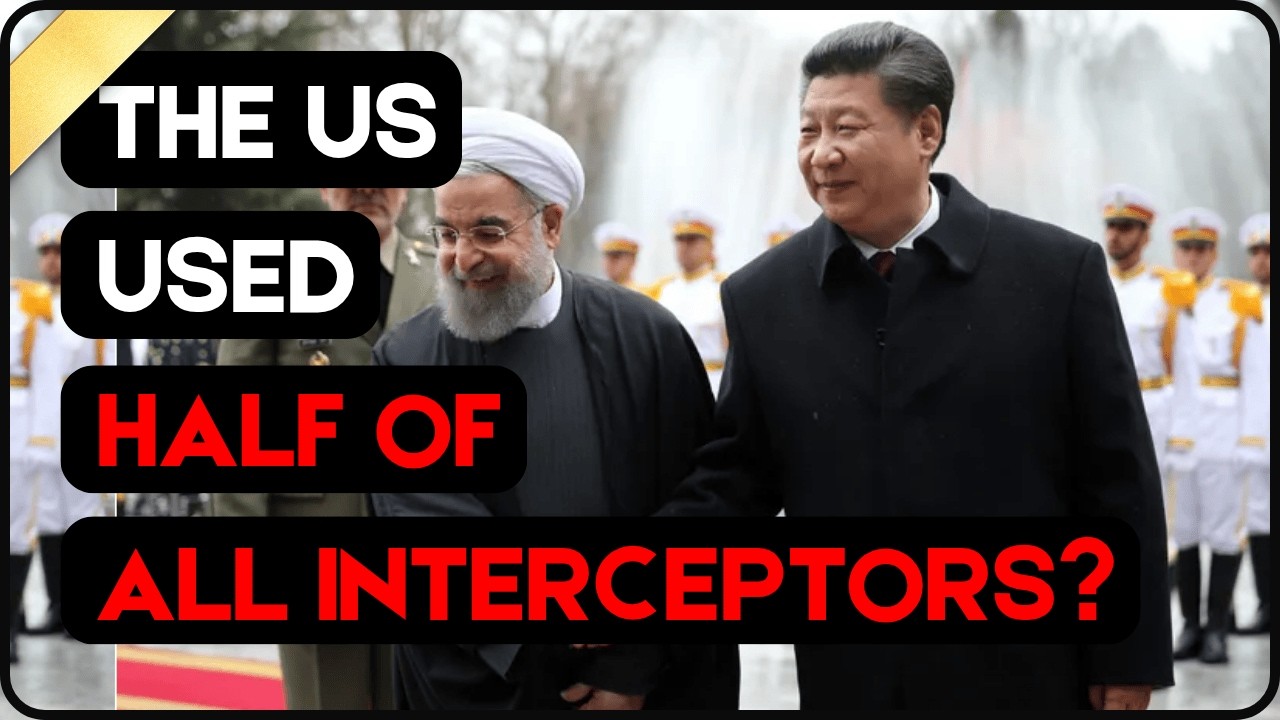
But the geopolitical chessboard is shifting fast. Iranian oil shipments to China appear to be getting through, while Beijing has told refineries to prioritize domestic supply. Russia, benefiting from surging oil prices, suddenly looks far more comfortable economically. Meanwhile, European states face a harsh reality: Asian economies like Japan, South Korea, and Taiwan may outbid them for scarce energy supplies.
So who actually holds the leverage right now? With global oil flows disrupted and major powers recalculating their strategies, the balance of power may already be shifting in ways few expected just days ago.
In this video, we break down:
• Why the Strait of Hormuz crisis is shaking global markets
• How China and Russia could benefit from the conflict
• Why Europe may be forced back toward Russian energy
• The geopolitical signals behind U.S. and Iranian rhetoric
• What the next phase of the conflict could look like
Stay informed with clear geopolitical analysis, global power dynamics, and energy market insights without the usual media spin.