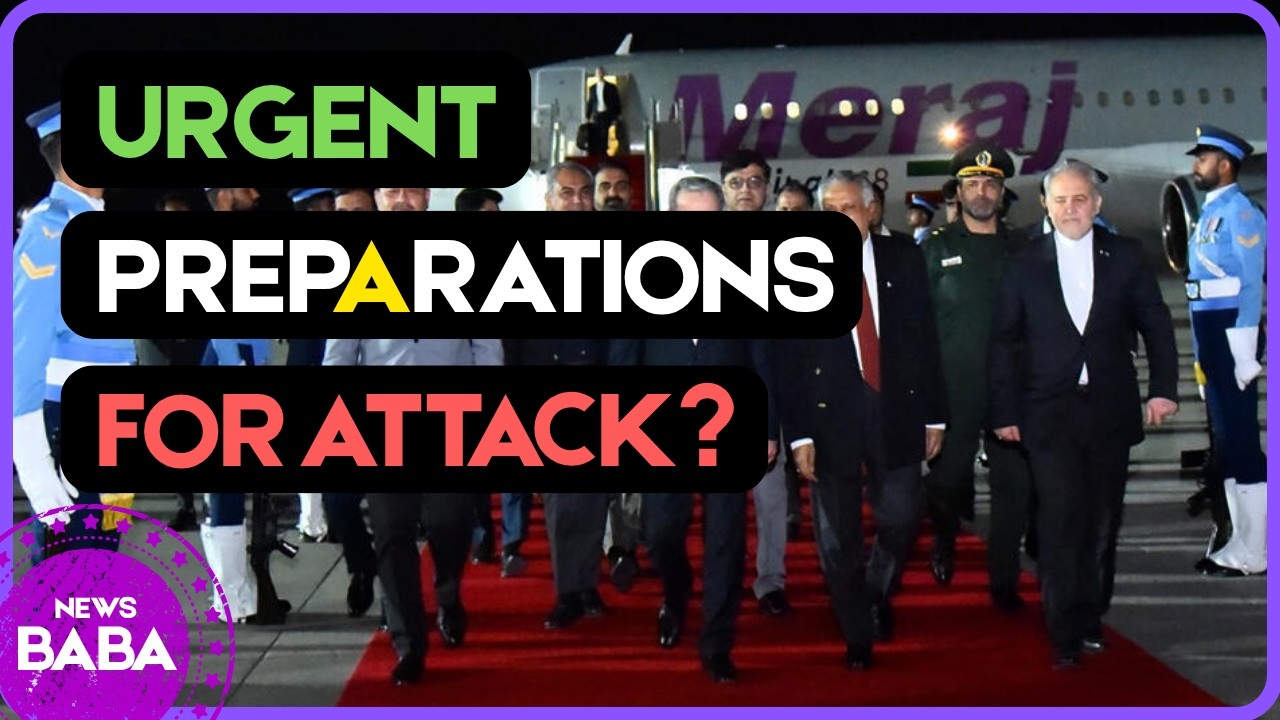
Trump’s latest statement on the Strait of Hormuz crisis has sent shockwaves across global geopolitics. By declaring that Hormuz is “not America’s problem,” the U.S. signals a major shift away from its long-standing role as the world’s security guarantor.
For decades, the United States acted as the backbone of global trade security, especially in critical chokepoints like Hormuz — where nearly 20% of the world’s oil supply passes. But now, with rising tensions involving Iran, the message is clear: regional powers must handle their own crises.
This raises huge questions:
Is this the decline of American global dominance?
Has Iran successfully challenged U.S. military deterrence?
Are we witnessing the rise of a multipolar world order?
Iran’s strategy appears calculated. By demonstrating it can disrupt global energy flows, it has forced the world to reconsider the risks of confrontation. Even if the Strait reopens, the symbolic damage to U.S. credibility may already be done.
Meanwhile, global powers — from Europe to China — must now rethink their energy security, alliances, and military strategies. The balance of power is shifting, and fast.
This is not just about oil. It’s about the future of:
Global trade routes
Military deterrence
The dominance of the U.S. dollar
The rise of alternatives like BRICS and the yuan
We may be entering a new era where no single superpower can dictate outcomes — only influence them.