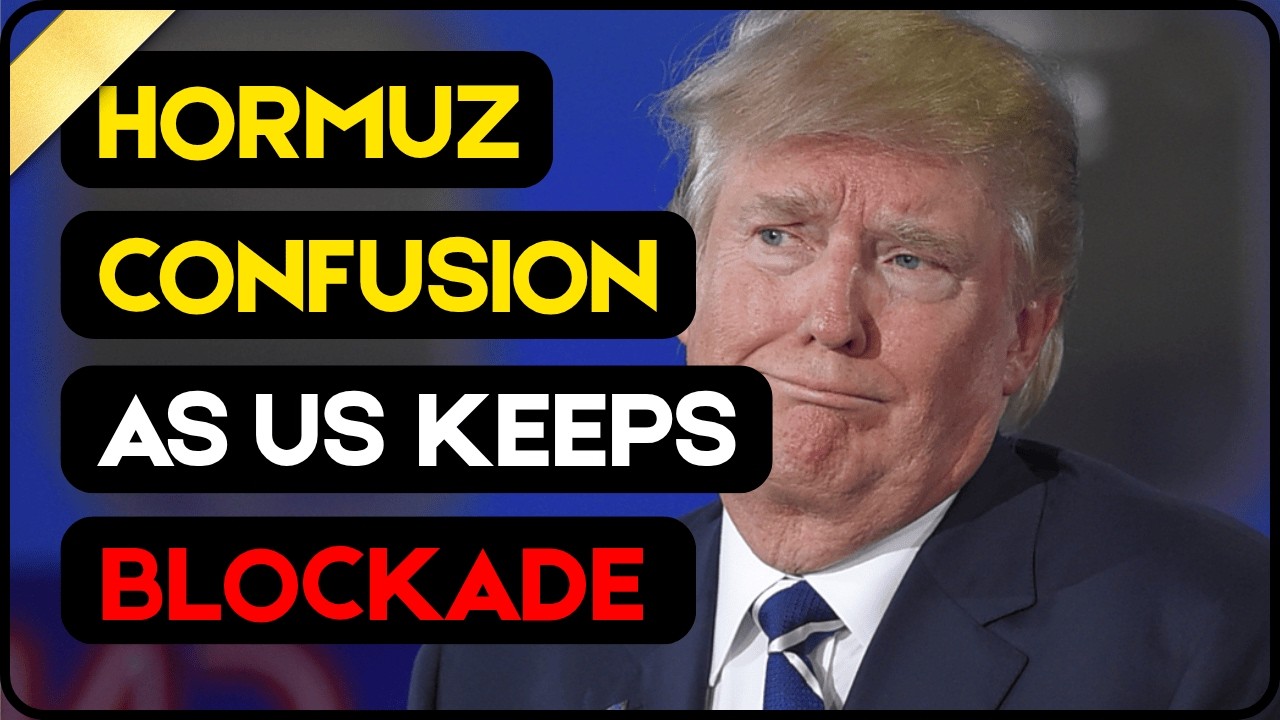
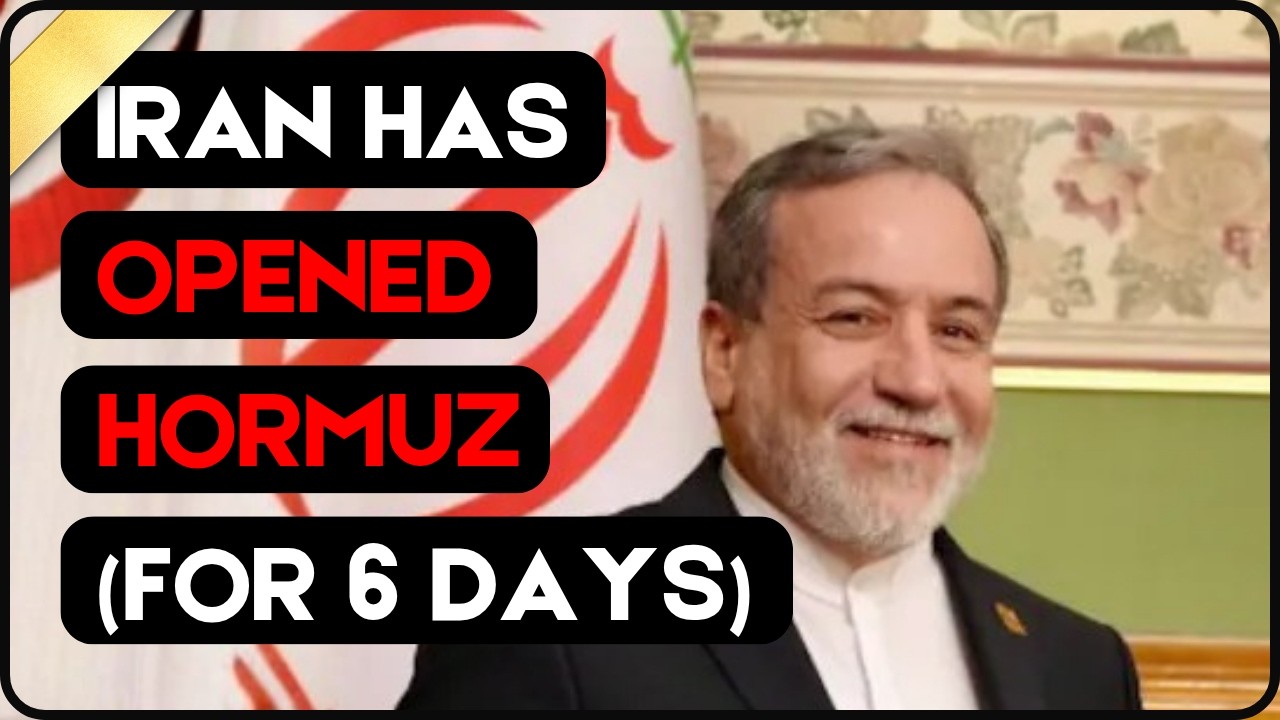
Germany just made a bold diplomatic move—calling China to step into one of the world’s most dangerous geopolitical flashpoints: the Strait of Hormuz.
In a high-level call between Wang Yi and Johann Wadephul, both sides emphasized the importance of keeping Hormuz open and rejecting any attempt by a single nation to control global trade routes. But behind this diplomatic language lies a much bigger story.
As tensions rise in the Middle East and the US faces growing criticism over its foreign policy, cracks are beginning to show in the Western alliance. European powers like Germany are increasingly looking beyond Washington—and toward Beijing—for stability and mediation.
Is this the beginning of a global power shift?
China, a strategic partner of Iran, is unlikely to apply heavy pressure—but its role as a “neutral” diplomatic actor is expanding rapidly. Meanwhile, the US faces accusations of double standards on international law, while China positions itself as a defender of global rules and sovereignty.
This moment reflects a deeper transformation in global geopolitics:
Is Western unity collapsing?
Is China replacing the US as the world’s leading power?
And what does this mean for the future of NATO, global trade, and international law?
From the legacy of colonialism and the Qing Dynasty to today’s shifting alliances, the balance of power is evolving fast.
Stay informed as we break down the latest geopolitical developments with sharp analysis and no spin.