Day 25 of the escalating US–Israel war on Iran — here’s a fast, data-driven breakdown of where things stand right now.
This conflict has already become one of the most impactful geopolitical crises in decades. Casualty figures continue to rise: over 1,500 reported dead in Iran, 1,000+ in Lebanon, and dozens across Iraq, Israel, and Gulf states. Injuries are in the tens of thousands, highlighting the scale and intensity of the war.
Israel and the United States are continuing widespread airstrikes across Iran and Lebanon, while Iran retaliates with sustained waves of ballistic missile attacks under Operation True Promise 4. Recent footage from Tel Aviv shows increasing damage, while key areas like Dimona, Arad, and southern Israel have been hit, with hundreds injured.
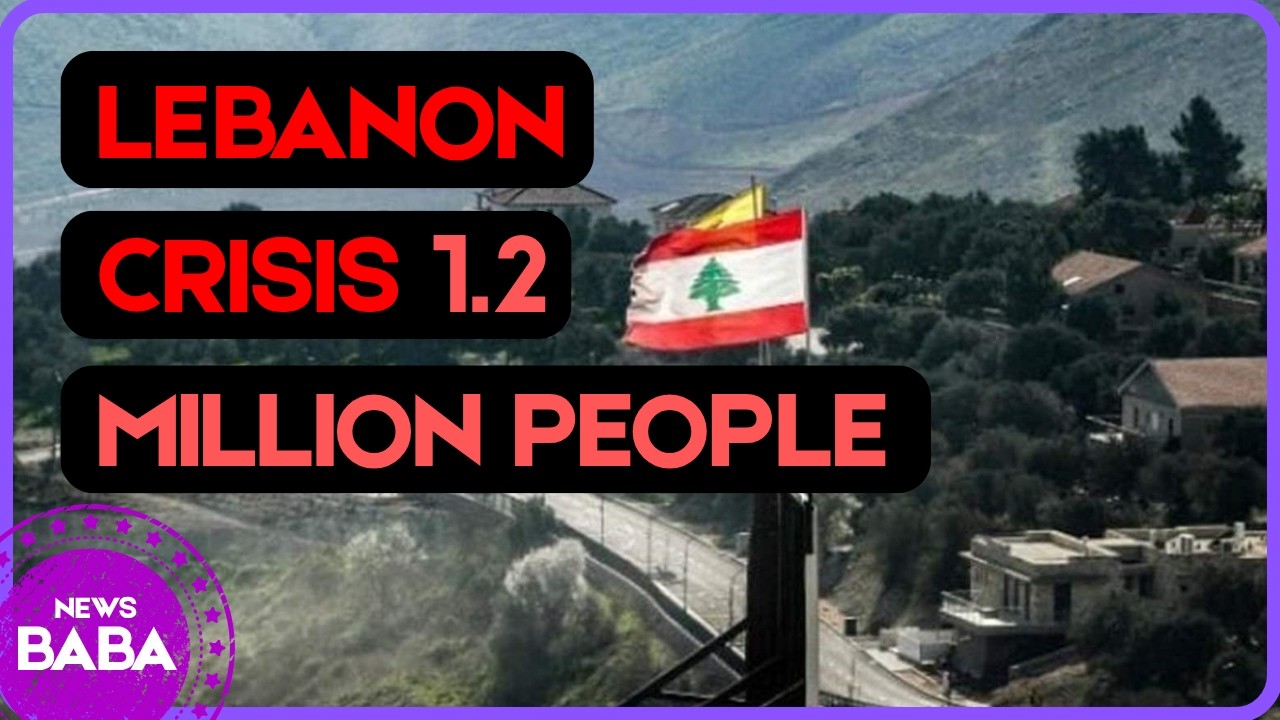
On the ground, Lebanon remains the most dangerous front. Israeli forces have moved into southern Lebanon, likely aiming to establish a buffer zone, but are facing coordinated resistance from Iranian-backed fighters. Strategic strikes on infrastructure like bridges across the Litani River suggest a long-term military objective.
Meanwhile, tensions in Iraq continue as Iran-aligned groups target US positions, raising pressure on Washington to withdraw. Globally, fears are mounting over energy markets, with the Strait of Hormuz still under Iranian control — a critical chokepoint for global oil supply.
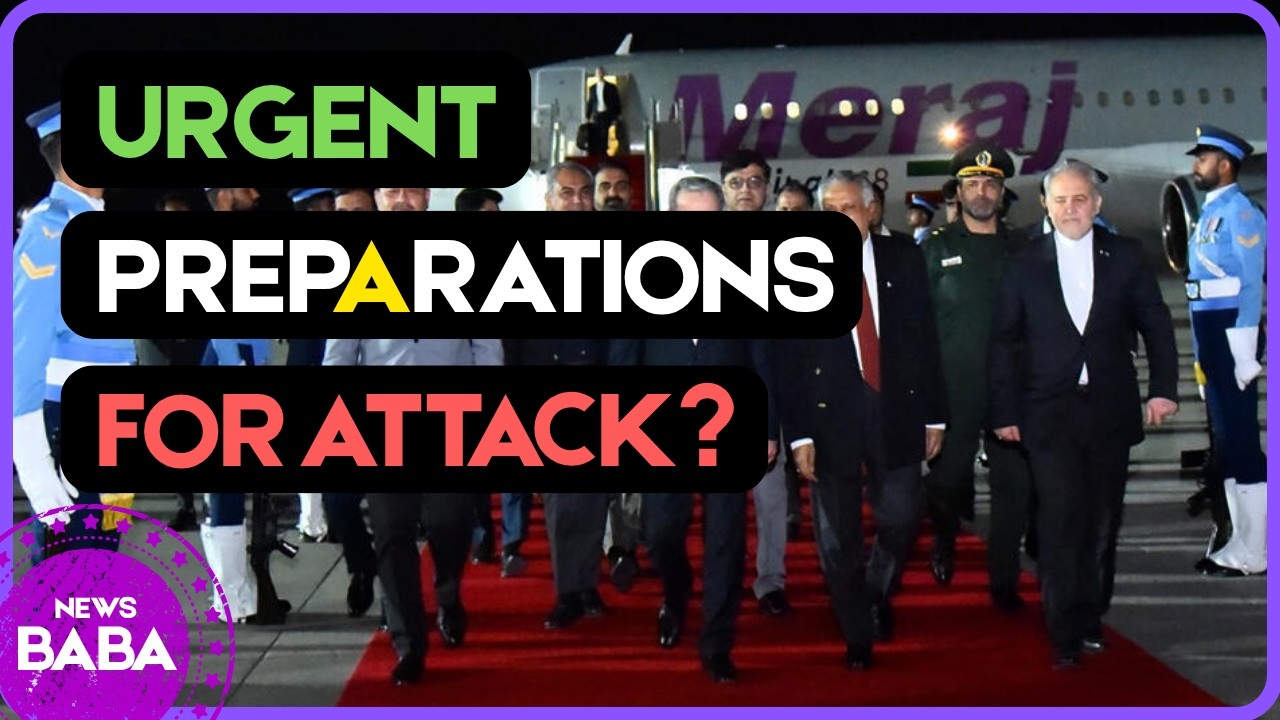
Diplomatically, confusion reigns. Trump claims negotiations with Iran are underway, while Tehran denies any talks entirely. Threats to escalate — including strikes on Iranian infrastructure — have so far been walked back, raising questions about credibility and strategy.
At sea, conflicting reports surround US naval movements and potential damage to key assets like aircraft carriers, while media restrictions inside the US suggest tighter control over war coverage.
This is a rapidly evolving situation with global consequences — from military escalation to economic fallout.
Stay tuned for more updates, including a breakdown of the looming energy crisis.