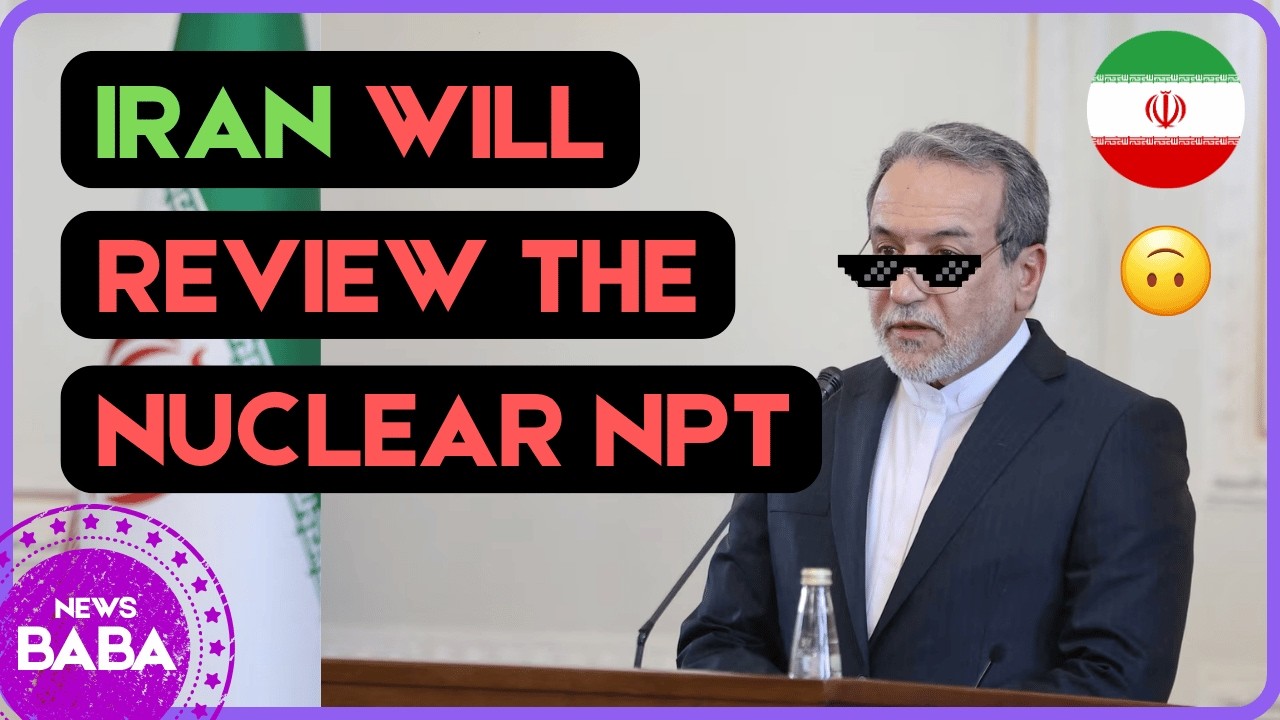
Iran has condemned alleged airstrikes by the United States and Israel targeting two major universities — Iran University of Science and Technology in Tehran and Isfahan University of Technology. Verified footage circulating across social media and reported by outlets like Al Jazeera has intensified global attention on the incident.
In response, Iran’s Revolutionary Guard issued a stark warning: for every Iranian university hit, two U.S. or Israeli-linked universities in the region could be targeted in retaliation. This marks a dangerous escalation, as universities are clearly civilian infrastructure under international law.
As tensions rise, questions emerge: why target universities at all? U.S. sources suggest a lack of remaining strategic targets inside Iran, while the Strait of Hormuz remains closed and the conflict unresolved. Critics argue this reflects a broader erosion of international law, a trend that gained momentum during the Gaza war and continues to shape modern warfare.
Israel’s strategy appears consistent—escalation to draw deeper U.S. involvement. But Iran is not Gaza. Unlike non-state actors, Iran has the capacity to retaliate directly, raising the stakes significantly. This creates a volatile cycle: escalation, retaliation, and the looming risk of full-scale regional war.
Will Iran respond in kind? And how far are both sides willing to go?
This video breaks down the latest developments, strategic calculations, and the geopolitical implications of this rapidly intensifying conflict.