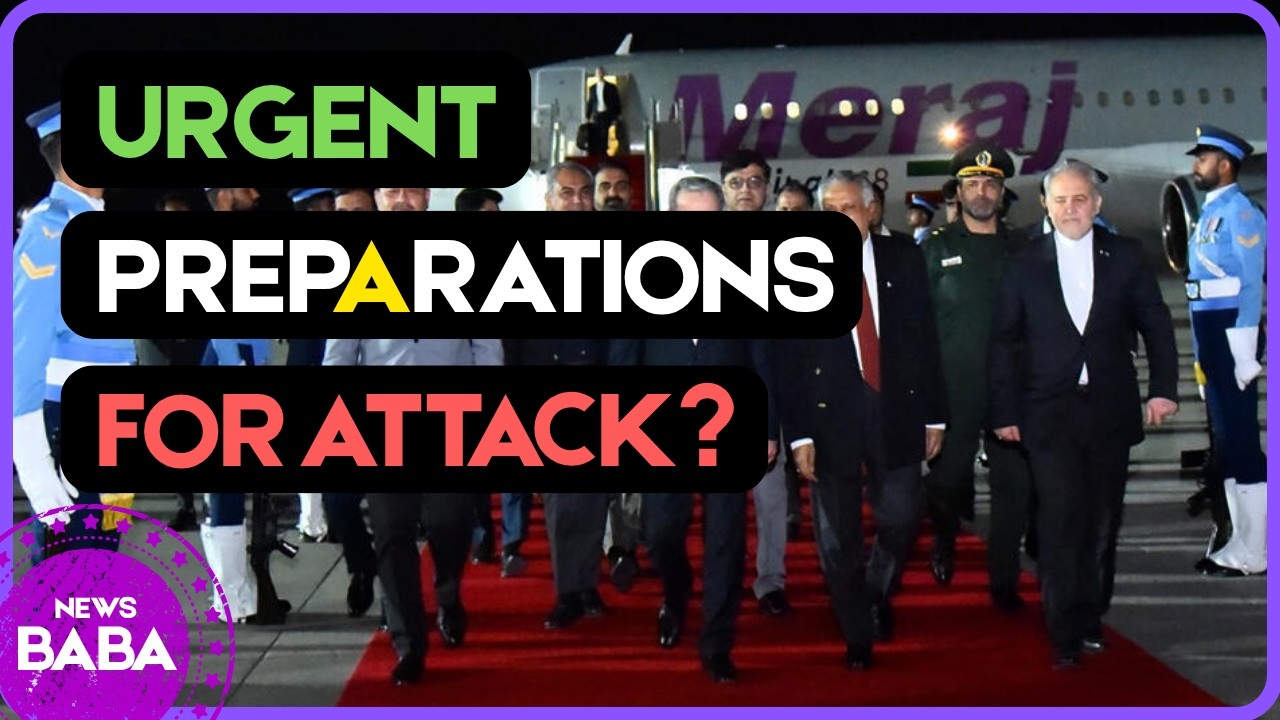
The shaky ceasefire between Iran, the United States, Israel, and Gulf states is holding… for now. But behind the silence of missiles and drones, a much bigger geopolitical battle is unfolding—one that mainstream media isn’t fully explaining.
After failed initial talks involving US Vice President JD Vance and Iran’s Abbas Araghchi, negotiations may resume. But here’s the key shift: Iran believes its position is getting stronger by the day.
Why?
Iran has revealed a staggering $270 billion damage estimate from the war—framing the conflict not just militarily, but economically. And here’s the twist: Tehran is now openly discussing war reparations.
In global conflict dynamics, the side demanding reparations is often the one that believes it has leverage—or even considers itself the victor. So what does this signal about the true outcome of the conflict?
This video breaks down:
Why Iran’s $270B figure matters
How war reparations shape geopolitical outcomes
The role of frozen Iranian assets (over $100B)
How sanctions could become a bargaining chip
Why this may signal a strategic defeat for the US
The real negotiation game happening behind closed doors
We go beyond headlines to uncover the power plays, economic warfare, and negotiation strategies shaping the next phase of this crisis.
Is the US preparing for a quiet exit?
Will Iran succeed in turning war damage into financial leverage?
Or could this fragile ceasefire collapse into escalation again?
Stay tuned for sharp, unbiased geopolitical analysis.