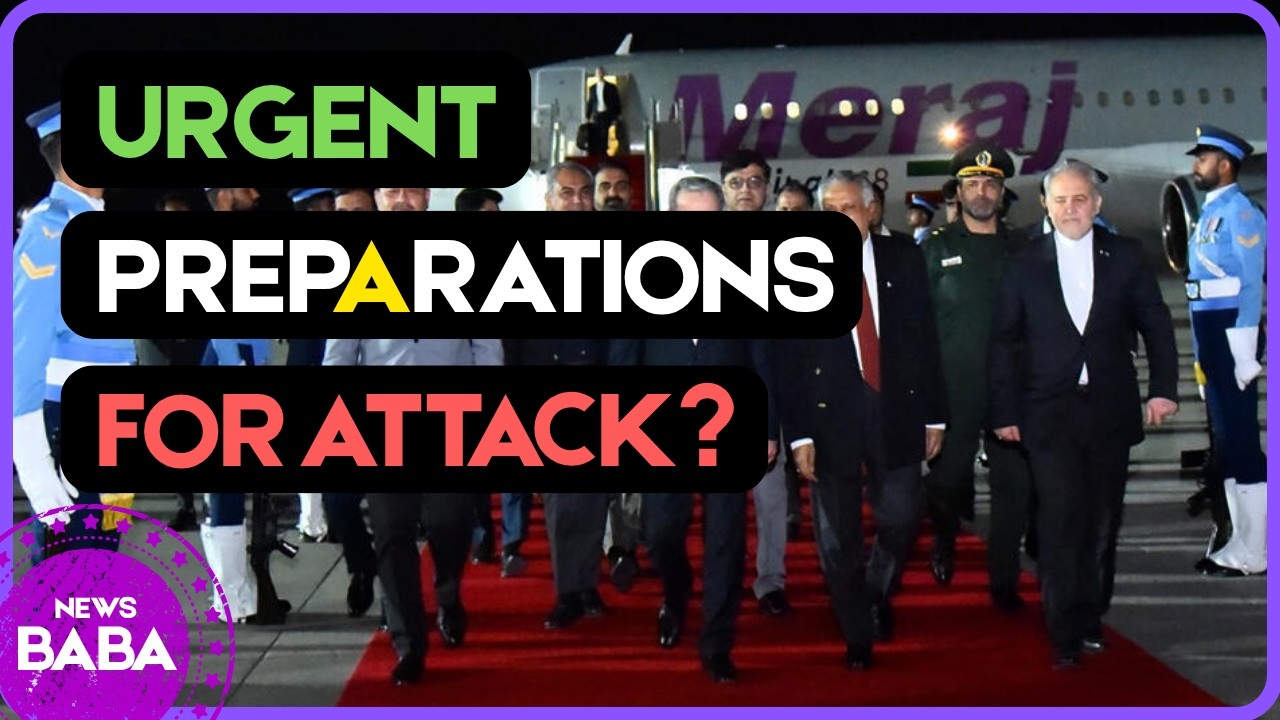
Iran Naval Drills in Strait of Hormuz: Russia & China Send Message to US | Geopolitical Analysis
Iran has launched live-fire naval exercises in the Gulf of Oman and Strait of Hormuz – the critical chokepoint where one-fifth of the world’s oil supply flows daily. These drills come amid escalating US-Iran tensions and represent a significant show of force in one of the world’s most strategic waterways.
What’s Happening:
Iranian naval forces are conducting military drills in international waters, with exercises announced for multiple days including Sunday, February 1st. While Russia and China aren’t participating in these specific drills, their historical involvement in annual joint naval exercises with Iran sends a powerful geopolitical signal. These Global South nations operate without a NATO Article 5-style alliance, yet their coordinated naval presence in the region demonstrates strategic alignment.
Why This Matters:
The Strait of Hormuz remains the world’s most important oil transit chokepoint. Any military confrontation here could disrupt global energy markets and trigger an international crisis. Iran’s live-fire drills serve as deterrence messaging to the United States – a demonstration of readiness designed to discourage American military action.
Strategic Analysis:
The US maintains naval dominance through the USS Abraham Lincoln carrier strike group, but Iran’s exercises represent defiance and contribute to regional deterrence. Russia and China’s presence in these waters – even for “routine” exercises – allows for intelligence gathering on US military logistics, force positioning, and strike preparation strategies.
US Central Command has been placed on high alert following Iran’s drill announcements. Both sides are flexing military muscle while calculating the costs of potential conflict. For Iran, any confrontation would be devastating, but Tehran is betting that demonstrating capability might prevent war rather than provoke it.
The Bigger Picture:
This is multipolar geopolitics in action. China, Russia, and Iran coordinating in strategic waters challenges Western naval hegemony without formal military alliances. It’s non-interventionist China saying “we’re not taking sides” while clearly standing alongside regional partners facing US pressure.
Will diplomacy prevail or will tensions escalate into military conflict? The coming days will be critical as both sides test resolve in one of the world’s most dangerous flashpoints.
Related Topics:
Middle East conflict, US Iran relations, Strait of Hormuz crisis, naval warfare, oil supply security, China Russia Iran alliance, US military buildup, regional deterrence, maritime chokepoints, energy security, multipolar world order, anti-ship missiles, carrier strike groups, Persian Gulf tensions