In the last 24 hours, a major development has reshaped the global geopolitical landscape. Iran has reportedly granted Russia a special exemption through the Strait of Hormuz, allowing Russian cargo to pass freely—even as the strait remains effectively closed to much of the world.
This move signals Iran’s growing ambition to position itself as the custodian of Hormuz, a choke point responsible for a significant share of global oil flows. Control here means leverage—not just regionally, but globally.
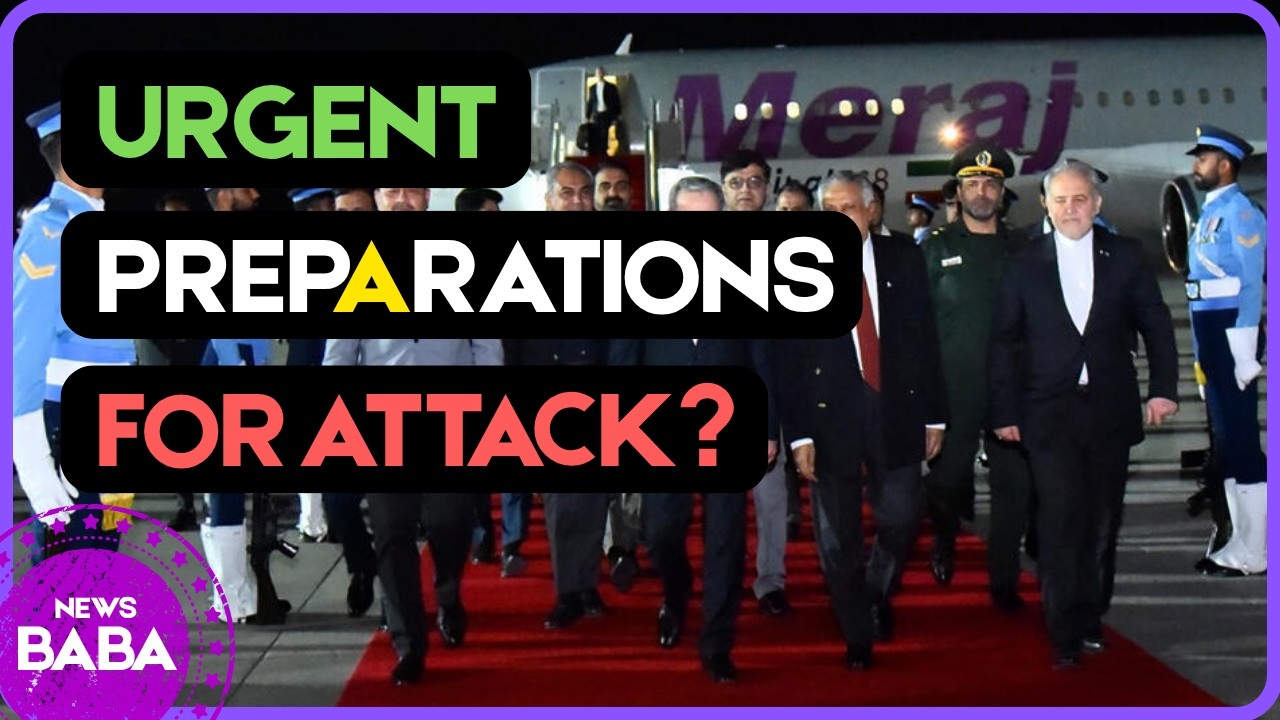
Meanwhile, Iranian Foreign Minister Abbas Araghchi has wrapped up talks in Pakistan, leaving behind a fresh set of Iranian demands aimed at ending the conflict. Now, U.S. envoys—including Steve Witkoff and Jared Kushner—are expected to engage with Pakistan to understand Iran’s position.
Despite the tensions, a resolution remains in the best interest of both Iran and the United States. The economic fallout is already severe—Germany alone has canceled over 20,000 flights due to rising jet fuel costs, directly tied to disrupted oil supplies from Hormuz.
Zooming out, Iran is actively engaging major geopolitical players:
Russia for intelligence and strategic backing
China (via Pakistan) with plausible deniability
Oman, a critical partner in any future Hormuz security arrangement If the Strait of Hormuz is a gateway, Iran and Oman sit on either side. Any long-term control will depend on cooperation between them.
This is no longer just a regional conflict—it’s a global power play with energy, trade, and influence all on the line.