The Strait of Hormuz crisis is entering a new phase — and China is quietly becoming the most important player.
The United States continues to demand Iran reopen Hormuz, but avoids forcing it militarily due to the serious risks to ships, النفط supply, and escalation. This hesitation creates space for China — not to act loudly, but strategically.
Beijing has stayed mostly silent. From a geopolitical standpoint, that makes sense. Why intervene when your main rival is already stuck in a costly conflict? If the global system is under pressure but China is affected less than the US, then relatively speaking, China is gaining.
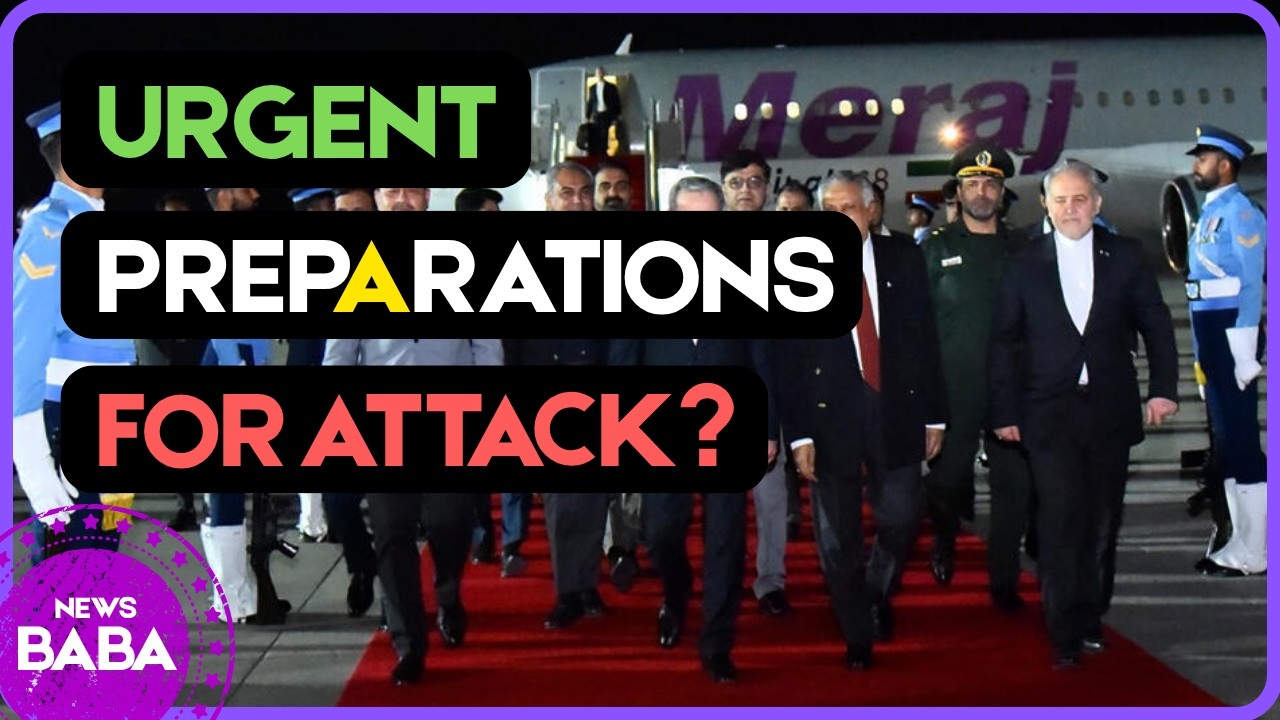
Now Pakistan’s Foreign Minister Ishaq Dar is heading to Beijing after talks with Saudi Arabia, Egypt, and Türkiye. Analysts believe this could be about asking China to act as a “guarantor” in future Iran negotiations — something Tehran may demand after losing trust in Washington.
But direct involvement is unlikely. China benefits from stability, not escalation. However, if Iran weakens or post-war arrangements require security guarantees, China could step in indirectly — potentially even tying its presence to keeping Hormuz open.
That would change everything.
Because at that point, any attack on Iran risks confrontation with China itself — something the US would avoid.
Keywords: China Iran Hormuz crisis, US Iran tensions, Strait of Hormuz conflict, China strategy, Pakistan China diplomacy, Middle East geopolitics, global oil crisis, WW3 risk