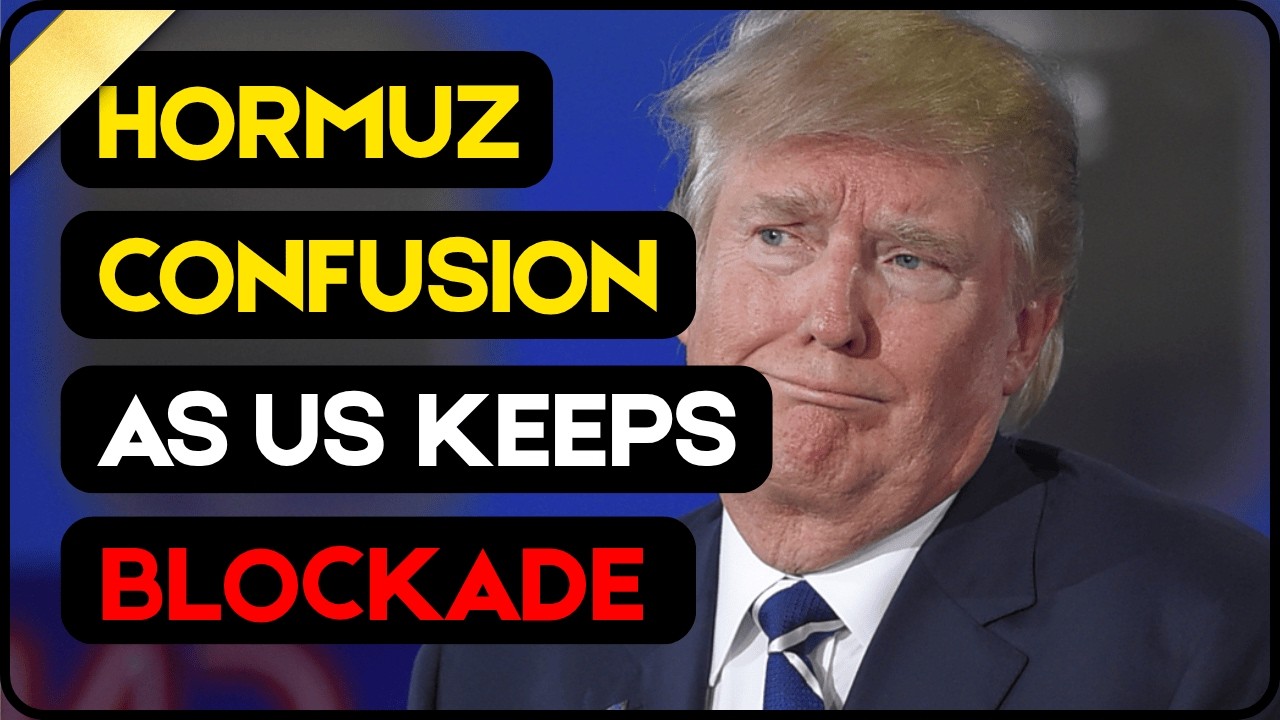
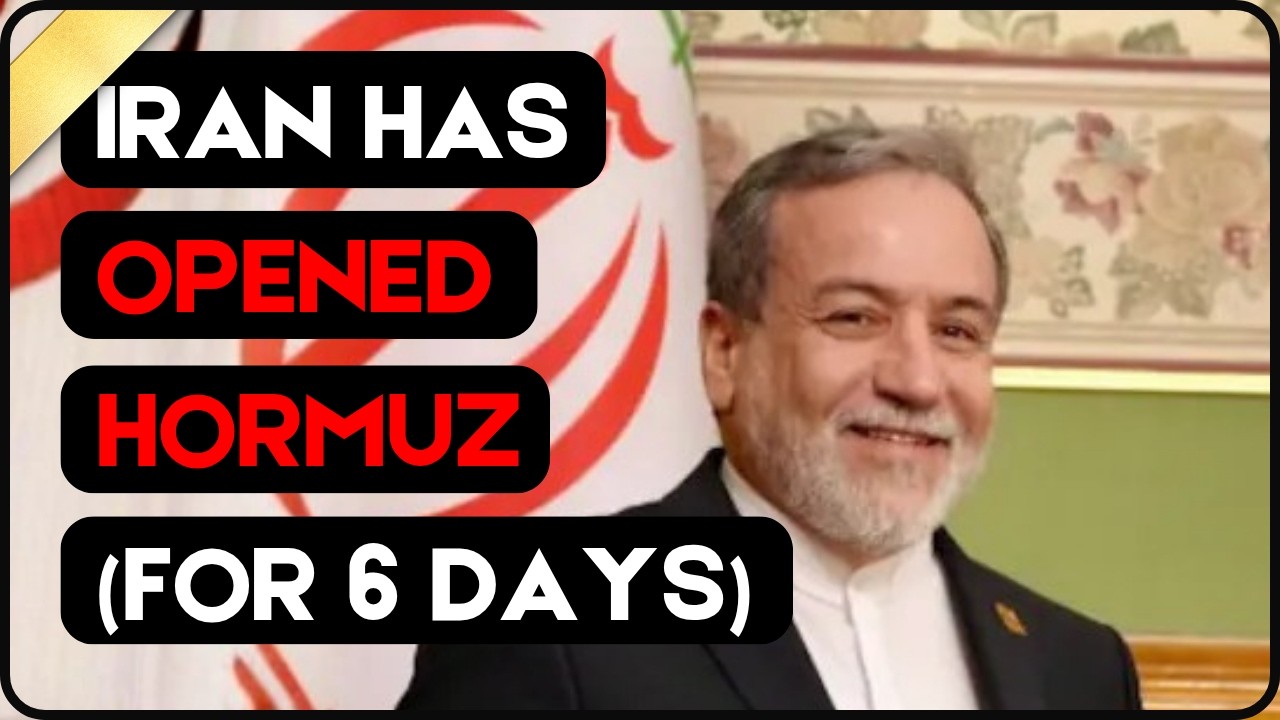
Day 31 of the Iran–US–Israel conflict and the geopolitical stakes are rising fast. The UK now claims it’s working on a “viable plan” for the Strait of Hormuz—but serious questions remain. If the United States, the world’s leading military power, cannot fully secure Hormuz, what realistic role can Britain play in this escalating crisis?
Meanwhile, US Secretary of State Marco Rubio has doubled down on Washington’s stance that Iran must never obtain nuclear weapons. But this narrative clashes with Iran’s own position. Tehran remains a signatory to the Nuclear Non-Proliferation Treaty (NPT), denies pursuing nukes, and had even offered uranium dilution and enrichment pauses during negotiations—talks that were interrupted by US military strikes.
So what is really happening? Analytically, the US appears to be reframing the Iran nuclear issue to claim a strategic “win” post-conflict, while also attempting to shift Gulf Arab sentiment against Iran by highlighting missile threats. Yet behind closed doors, tensions between Gulf monarchies and Washington may be growing, raising doubts about US security guarantees in the region.
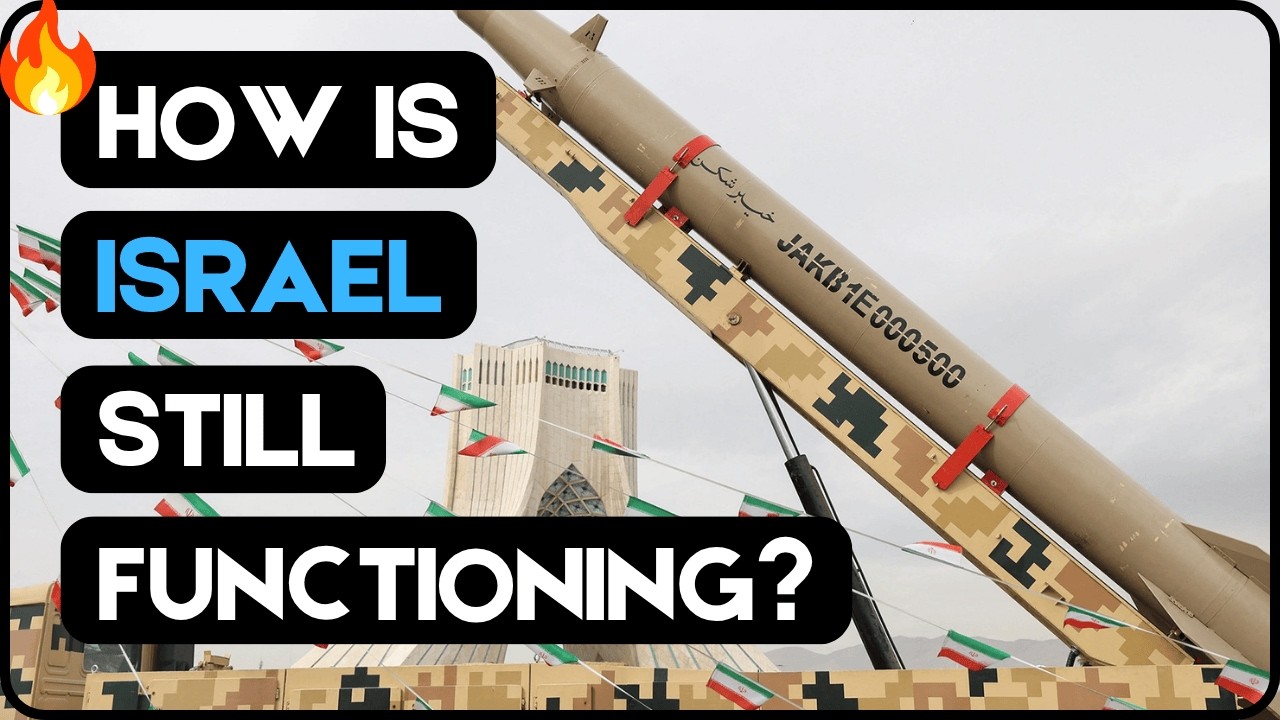
At the same time, Iran’s use of short-range missiles likely serves a strategic purpose: targeting nearby US bases rather than regional states—though the risk of broader escalation is increasing. Israel continues pushing for prolonged conflict, potentially seeking US ground involvement, while domestic pressure in America questions why US forces should carry the burden.
As oil flows face disruption and select ships—particularly Chinese and Pakistani flagged—continue passing through Hormuz, the global energy crisis deepens. China may be the quiet winner here, watching its rival stretch resources thin, redeploy military assets away from East Asia, and lose narrative control on the world stage.
From Hormuz to Washington, from Tehran to Tel Aviv, this conflict is reshaping global power dynamics in real time. What happens next could define the future of the international order.