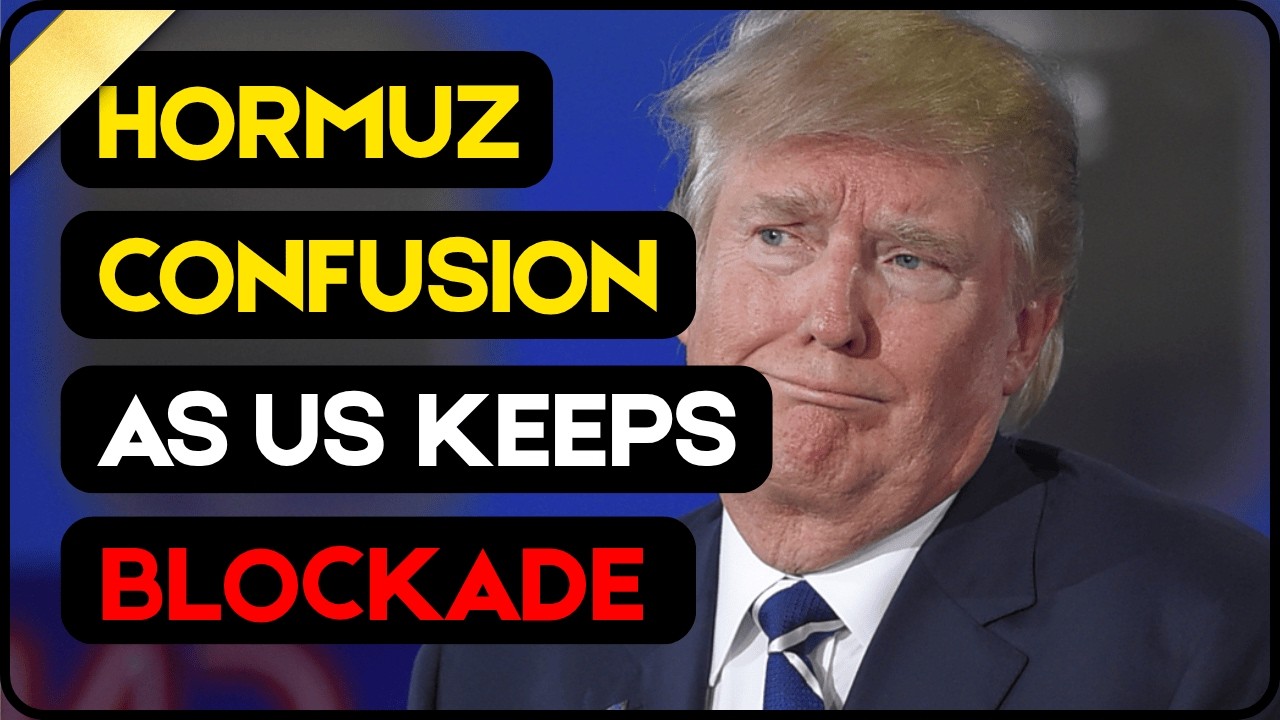
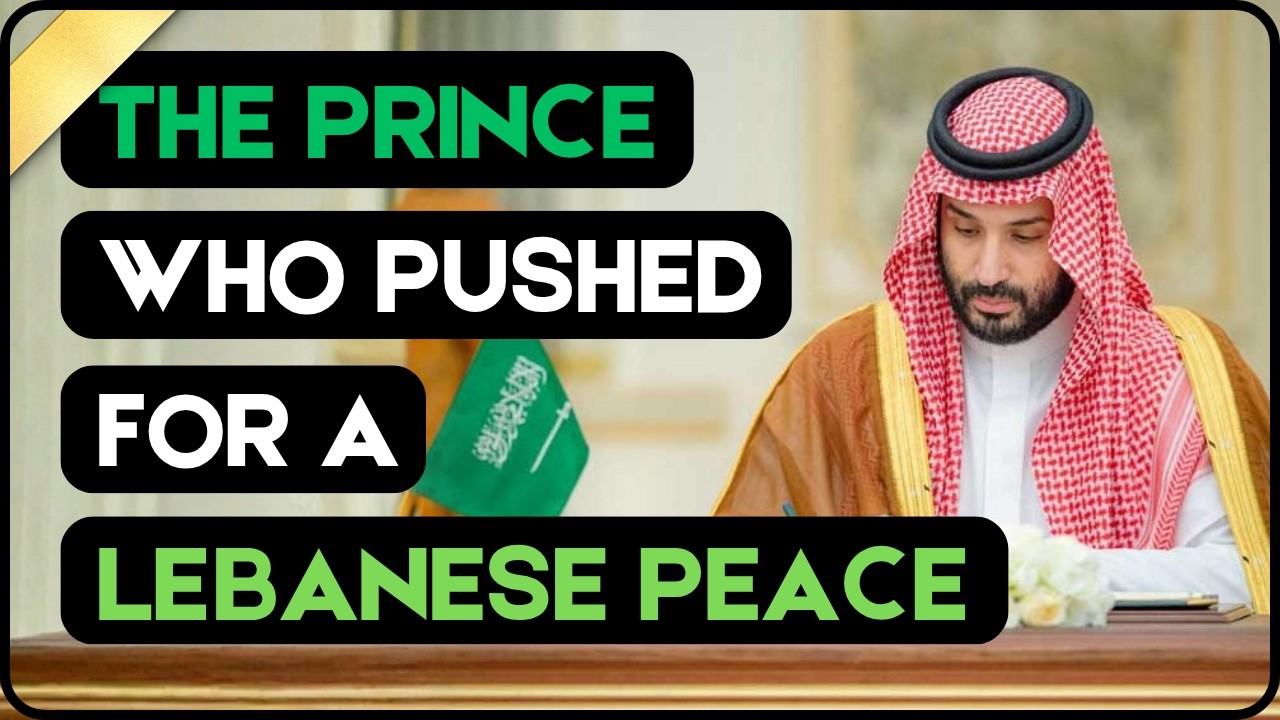
In the last 24 hours, tensions between the United States and its Gulf allies have taken a dramatic turn. President Donald Trump sparked backlash across the region after making a controversial remark about Saudi Crown Prince Mohammed bin Salman, suggesting he would be “kissing my ass.” In a region where diplomacy is traditionally conducted with formality and respect, this kind of rhetoric has left Gulf monarchies shocked and unsettled.
Before regional leaders could even process the statement, former White House strategist Steve Bannon added fuel to the fire. He openly suggested that Gulf states should send their own sons into battle, even proposing that Arab nations should form the first wave of troops if the U.S. commits to ground operations in the Middle East conflict. His remarks reinforced a perception that some in Washington view Gulf allies less as partners and more as instruments of U.S. strategy.
This moment highlights a deeper geopolitical shift. There is a growing disconnect between the United States and its traditional allies in the Gulf. From the American perspective, Gulf nations have benefited immensely from decades of U.S. protection and integration into the Western-led economic system, and therefore should contribute more militarily. But from the Gulf perspective, the situation looks very different.
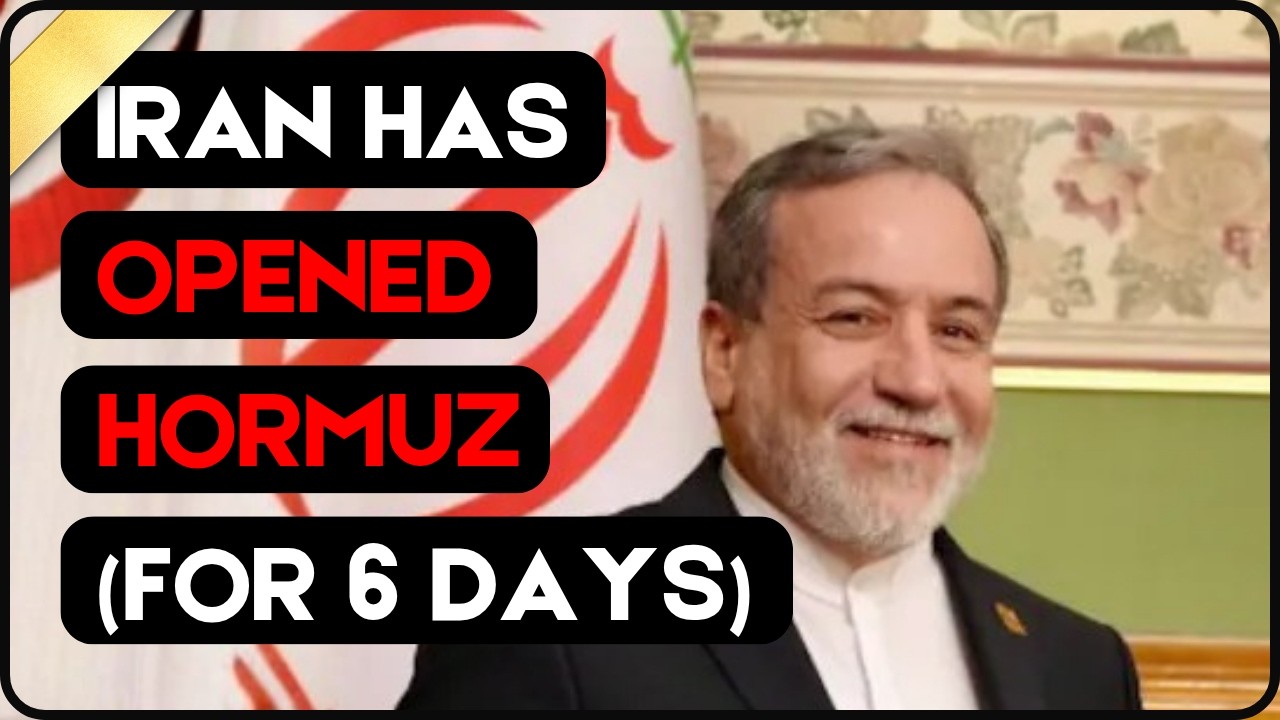
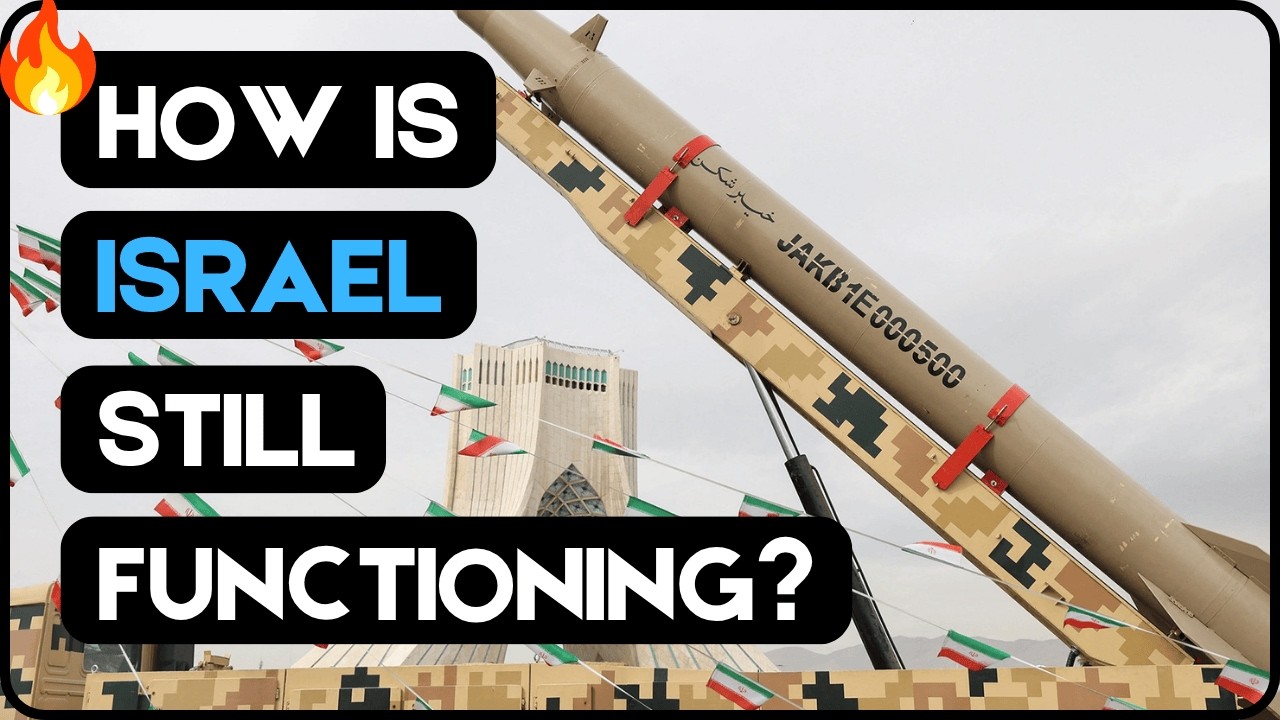
Despite its massive $30 trillion economy and unmatched military spending, the U.S. has struggled to contain Iran—a heavily sanctioned nation with a far smaller economy. Iran’s ability to disrupt key maritime routes like the Strait of Hormuz and challenge U.S. allies has raised serious doubts in Gulf capitals about Washington’s reliability as a security guarantor.
At the same time, public insults and pressure tactics are being seen as deeply disrespectful. For leaders like Mohammed bin Salman, this creates a strategic dilemma. Saudi Arabia now has a $1.2 trillion economy that is increasingly diversified, with growing ties to China—particularly in energy trade.
This opens the door to a potential realignment. The Gulf monarchies may begin to reassess their long-standing dependence on the United States and explore closer integration with a rising China-led global order. Unlike Washington’s recent tone, Beijing’s diplomatic approach is often viewed as more measured and aligned with regional norms.
The result? A relationship that once seemed unshakable is now visibly fraying. Trust is weakening, expectations are clashing, and the geopolitical balance in the Middle East may be entering a new phase.