Day 29 of the Iran war (March 28) marks a major turning point in Middle East geopolitics. Yemen’s Houthi forces have officially entered the conflict, launching ballistic missiles across the Arabian Peninsula toward Israel, with sirens reported in Beersheba and Dimona. Brigadier-General Yahya Saree confirmed the strikes, signalling a potential escalation that could reshape the entire region.
This development expands the conflict beyond Iran and Israel into a broader multi-front war involving Iran-aligned groups in Lebanon, Iraq, and now Yemen. The key strategic question now: will the Houthis attempt to disrupt the Bab el-Mandeb Strait, one of the world’s most critical global shipping chokepoints?
In this video, we break down:
The significance of Yemen joining the war
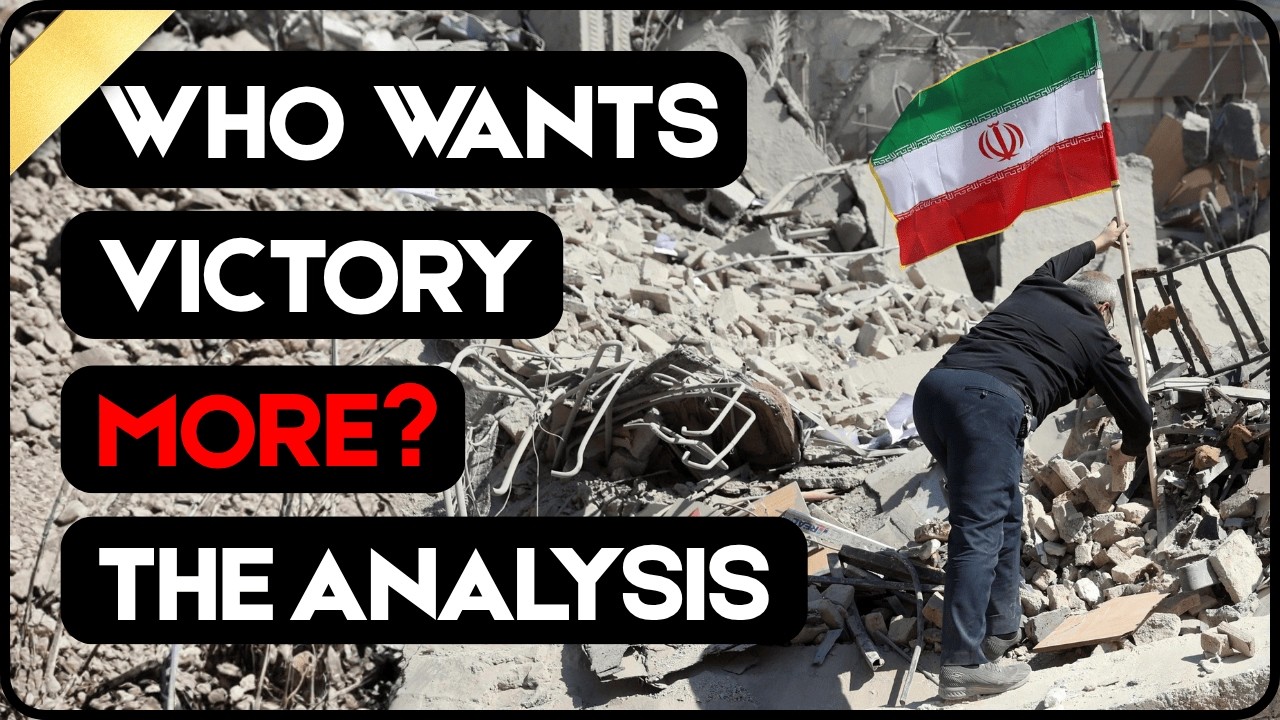
Iran’s long-game strategy vs US-Israel rapid escalation tactics
The growing “Axis of Resistance” and multi-front pressure
US military positioning and the possibility of escalation vs exit
Information warfare narratives and battlefield psychology
What this means for global trade, oil routes, and regional stability
This conflict is evolving into a high-stakes geopolitical chess match, where timing, endurance, and alliances may determine the outcome more than sheer firepower.
Stay tuned for deeper analysis on the Bab el-Mandeb Strait and what happens next.