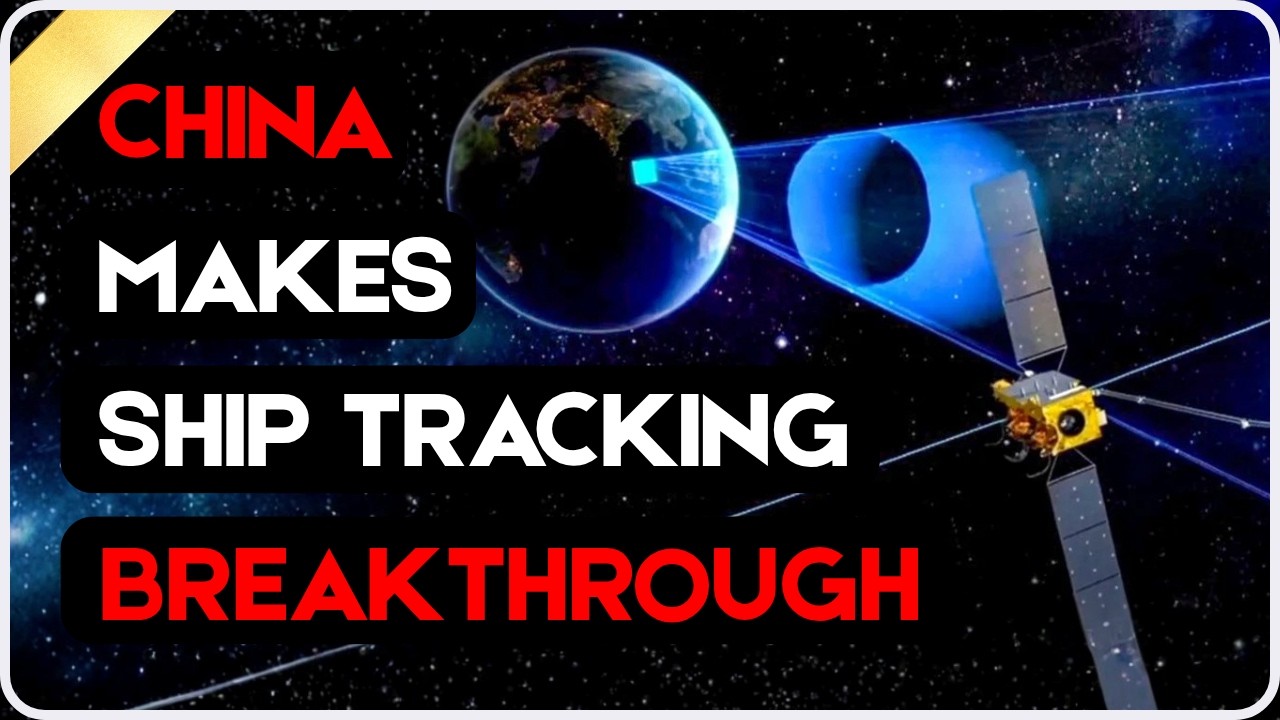
A Chinese signals intelligence ship — Liaowang-1 — has been spotted in international waters off the coast of Oman, quietly monitoring activity near one of the world’s most strategic chokepoints: the Strait of Hormuz. Officially described as a space-tracking vessel, the ship carries five advanced radar systems capable of tracking over 1,000 targets simultaneously, collecting massive amounts of telemetry and electronic intelligence.
Often described as “floating supercomputers,” vessels like Liaowang-1 can monitor satellite launches, ballistic missiles, interceptor systems, drones, and even capture the radar signatures of advanced fighter jets such as the F-35. While not formally designated as a warship, its intelligence capabilities make it one of the most sophisticated surveillance platforms at sea.
Its presence is notable as the US-Israel war with Iran enters its 13th day. As the conflict unfolds, global powers are closely watching how modern warfare between a superpower coalition and a regional power actually plays out.
Diplomatically, many countries across the Global South — including China and Russia — view Iran as the victim of Western and Israeli aggression. The stated justifications for the conflict have shifted repeatedly: nuclear concerns, enrichment limits, regime change, human rights, and pre-emptive defense. Because of these conflicting narratives, much of the international community remains skeptical.
Despite the global economic risk — especially with Iran effectively threatening closure of the Strait of Hormuz, a critical artery for world oil supplies — Tehran’s diplomatic standing has not collapsed. Many nations interpret Iran’s actions as those of a state fighting for survival rather than initiating aggression.
For military analysts, this war has become a real-time laboratory. The United States and Israel have deployed hundreds of fighter jets and thousands of airstrikes, overwhelming much of Iran’s air defense network. Yet observers across Asia, Africa, and Latin America are studying how asymmetric defense, resilience, and cost-efficient military strategy can still blunt the capabilities of the world’s most powerful military.
China in particular is watching closely. As America’s primary great-power rival in an emerging multipolar world, Beijing is deeply interested in the operational details:
• Fighter jet sortie rates
• Missile usage patterns
• Carrier manoeuvrability
• Radar signatures
• Air defence performance
For strategists in Beijing, every data point matters. Understanding an adversary’s strengths and weaknesses today could shape the balance of power tomorrow.
As Sun Tzu wrote in The Art of War:
“Know your enemy and know yourself, and in a hundred battles you will never be in peril.”