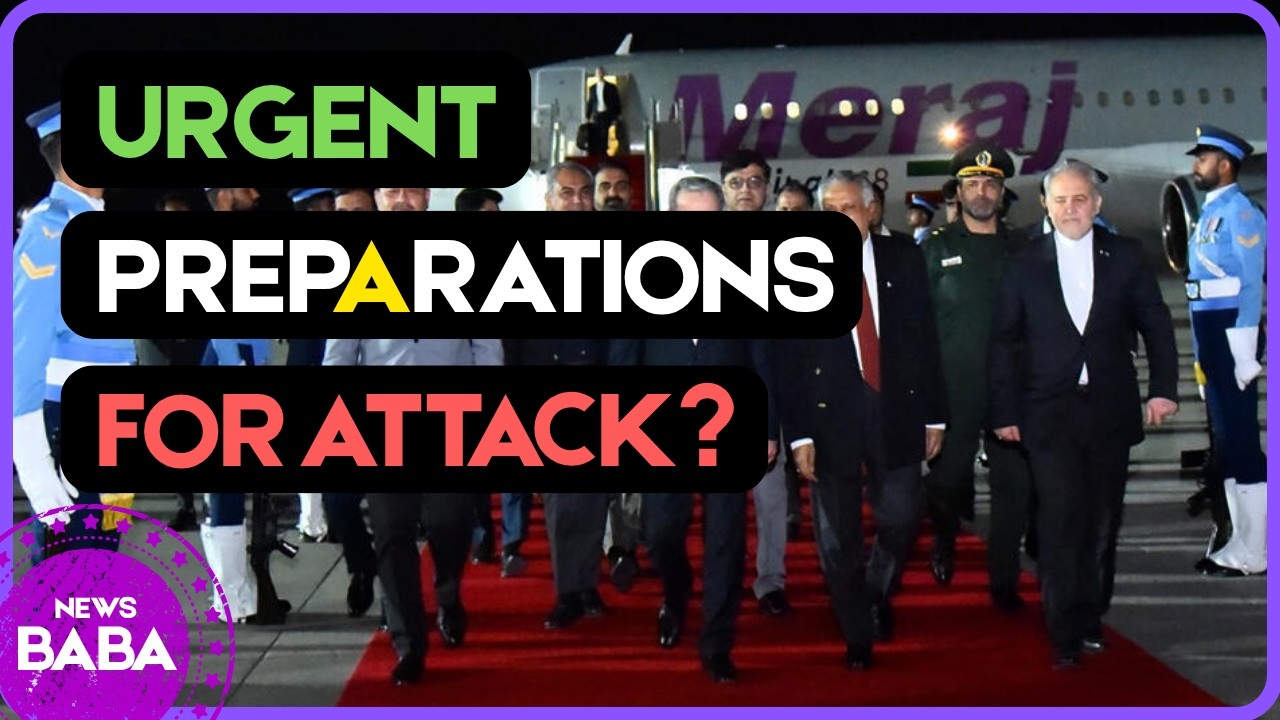
Iran’s leadership has delivered a powerful message to the world as tensions in the Middle East continue to escalate. In a newly released recorded speech, Iran’s Supreme Leader Ayatollah Mojtaba Khamenei laid out three major declarations: the immediate closure of all U.S. military bases in the region, continued Iranian attacks on those bases if the conflict persists, and the ongoing closure of the Strait of Hormuz to pressure Iran’s enemies.
At the same time, Iran’s President Masoud Pezeshkian has outlined three conditions that Tehran says could end the war: recognition of Iran’s legitimate rights (widely interpreted as acceptance of its civilian nuclear program), payment of reparations for the damage caused during the conflict, and firm international guarantees against future aggression.
This moment reveals a classic geopolitical strategy often described as “good cop, bad cop.” While the Iranian president signals openness to diplomacy and negotiations, the Supreme Leader and military leadership maintain pressure by projecting strength and deterrence. This approach helps Iran preserve leverage while signaling that peace talks remain possible.
Meanwhile, reports suggest the United States has conducted thousands of airstrikes during the campaign, costing billions of dollars and raising serious questions about the long-term economic and strategic consequences of the conflict. With oil markets watching closely and the Strait of Hormuz remaining a key chokepoint for global energy supplies, the stakes for the international community are extremely high.
In this video, we break down what Iran’s latest statements really mean, how the diplomatic and military messaging works together, and what it could signal for the future of U.S.–Iran tensions and Middle East geopolitics.